

Unlocking the Potential of Melissa Officinalis: A Deep Dive for B2B Ingredient Buyers
Quick answer
The ongoing natural fragrance tropical supply shortage, combined with increasing regulatory pressures like EUDR, is driving demand for locally sourced, high-quality botanical actives. For ingredient buyers and formulators, this necessitates exploring high-potency, European-produced alternatives. This article will examine the phytochemical richness and broad spectrum of bioactivities offered by Melissa officinalis, specifically focusing on vertical farming’s capacity to enhance its therapeutic compounds for cosmetic and nutraceutical applications.
Key Takeaways
Vertical farming boosts Melissa officinalis rosmarinic acid up to 30x vs. field-grown.
Enhanced phytochemical profiles offer superior cognitive, anxiolytic, and anti-inflammatory effects.
EU leaf terpenes command 3-5x premiums, driven by supply chain stability and compliance.
B2B buyers gain access to pharma-grade cleanliness and full European traceability.
Phytochemical Profile of Melissa officinalis
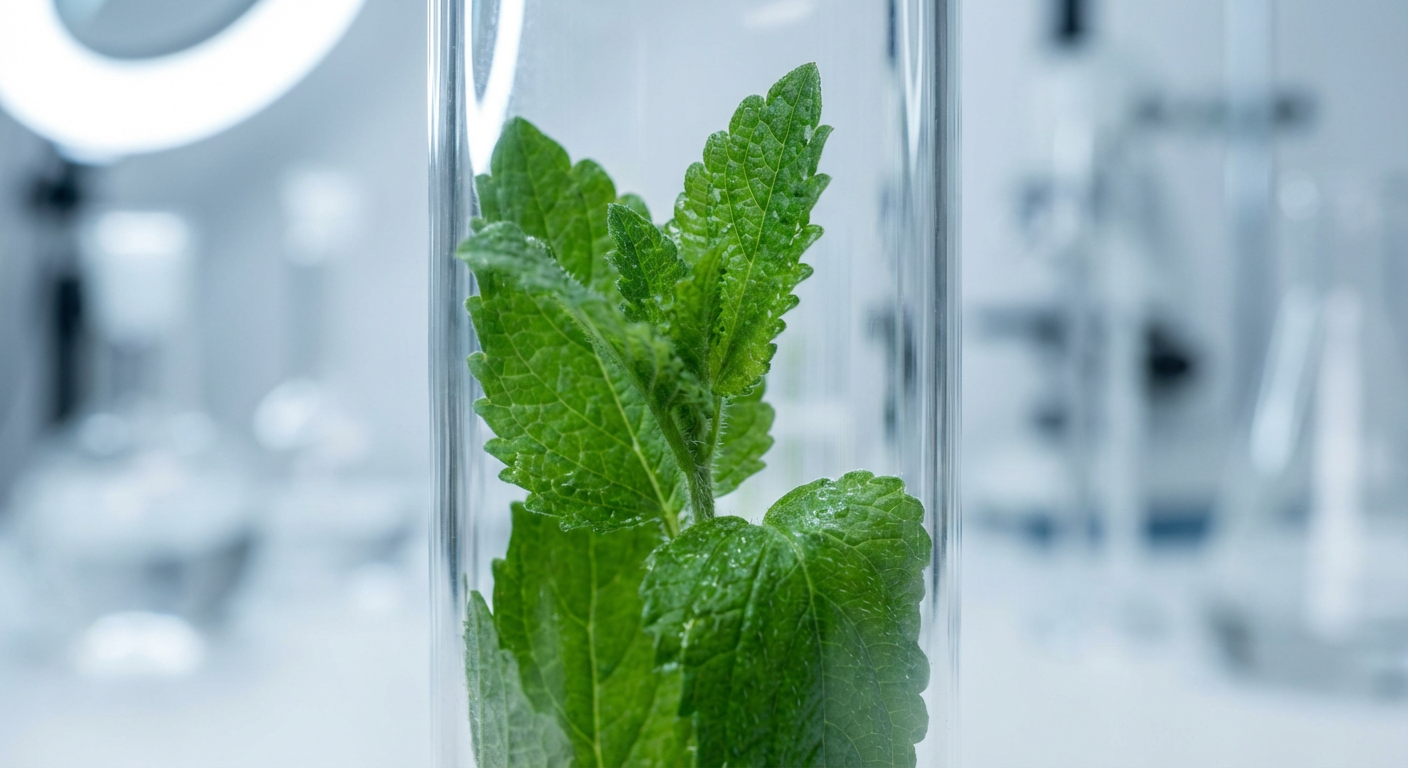
Melissa officinalis, commonly known as Lemon Balm, possesses a complex phytochemical profile, with rosmarinic acid being a key phenolic compound. Beyond this, essential oil (EO) constituents like citral, citronellal, and geraniol contribute significantly to its bioactivity. These compounds collectively underpin the plant's diverse therapeutic applications.
Principal Bioactive Compounds
A 2022 review identified several major constituents in Melissa officinalis EO, including geranial (citral A), neral (citral B), citronellal, caryophyllene oxide, β‑caryophyllene, and geraniol. Its total polyphenol content can reach approximately 11.8%, with hydroxylated acids accounting for about 11.3%; rosmarinic acid alone can comprise around 4.1% of dried leaves.
Role of Key Phytochemicals
The primary phenolic marker for neuroprotective and anxiolytic effects is rosmarinic acid, as highlighted in a 2026 review on phenolic compounds. Other flavonoids such as luteolin, apigenin, and quercetin also contribute notable anti-inflammatory activity.
Key phytochemicals and their primary roles:
Rosmarinic Acid: Neuroprotective, anxiolytic, anti-inflammatory.
Citral (Neral & Geranial): Antimicrobial, anti-inflammatory, fragrance.
Citronellal: Sedative, antimicrobial, insect repellent.
Geraniol: Antimicrobial, antioxidant, fragrance.
Luteolin, Apigenin, Quercetin: Anti-inflammatory, antioxidant.
Clinical Evidence for Cognitive and Anxiolytic Benefits
Clinical trials and preclinical research support the cognitive-enhancing and anxiety-reducing properties of Melissa officinalis extracts. These effects are often attributed to specific mechanisms targeting neurotransmission and inflammation.
What is the clinical evidence for lemon balm improving cognition?
A narrative review of human trials in 2025 indicated that Melissa officinalis extracts can improve cognition and mood, particularly in elderly individuals with mild cognitive impairment. The mechanisms involve the modulation of GABA-transaminase and the inhibition of inflammatory pathways such as NF-κB, TNF-α, and COX-2. In an in silico ADMET study, citral and other EO components showed good predicted oral absorption, blood-brain barrier permeability, and metabolic stability.
Observed clinical outcomes include:
Improvements in cognitive performance and memory.
Reduction in anxiety and stress levels.
Enhanced sleep quality.
Neuroprotective Mechanisms
Rosmarinic acid is a central component in these neuroprotective actions by modulating GABA-transaminase, an enzyme that breaks down GABA. This modulation can increase GABA availability, contributing to anxiolytic effects. Furthermore, the anti-inflammatory action of Melissa officinalis helps mitigate neuroinflammation, a factor in cognitive decline.
For formulators evaluating alternatives in cognitive support, understanding what Melissa officinalis is and its full phytochemical spectrum is crucial.
Anti‑Inflammatory, Antimicrobial, and Antioxidant Activities
Beyond its neurological effects, Melissa officinalis exhibits significant anti-inflammatory, antimicrobial, and antioxidant properties, making it versatile for various applications. These activities are primarily driven by its rich phenolic and terpenoid composition.
What mechanisms underlie lemon balm’s anti‑inflammatory effects?
The anti-inflammatory effects of Melissa officinalis are largely attributable to compounds like citral, rosmarinic acid, and various flavonoids. These bioactives inhibit pro-inflammatory mediators such as NF‑κB, TNF‑α, and COX-2, as detailed in a study of bioactive mechanisms. This pathway modulation reduces the inflammatory cascade.
Antimicrobial Properties
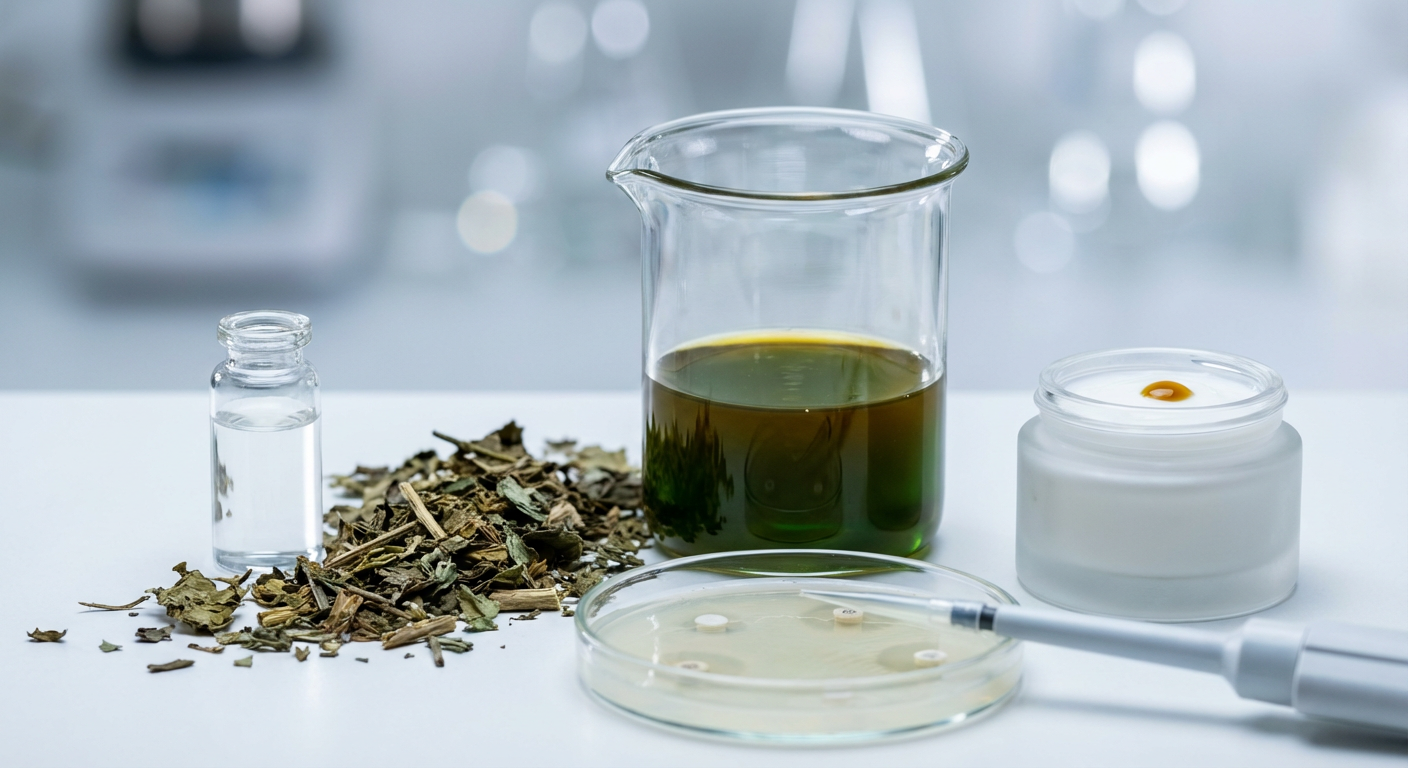
Melissa officinalis extracts demonstrate broad-spectrum antimicrobial activity. Essential oil constituents, including citral and citronellal, can disrupt microbial cell membranes, inhibiting the growth of both bacteria and fungi. This makes it a compelling ingredient for natural preservation systems.
Antimicrobial efficacy targets:
Gram-positive bacteria
Gram-negative bacteria
Certain fungal strains
Antioxidant Capacity
The plant’s antioxidant potential stems from its high content of polyphenols, particularly rosmarinic acid. These compounds scavenge free radicals and reduce oxidative stress, which contributes to cellular damage and aging. This antioxidant capacity is valuable in both nutraceuticals and cosmetic formulations aiming for protective effects.
The antioxidant activity of Melissa officinalis is summarized below:
Compound Type | Primary Antioxidant Mechanism |
|---|---|
Rosmarinic Acid | Free radical scavenging, metal chelation |
Flavonoids (Luteolin, Apigenin) | Inhibition of lipid peroxidation, enzyme modulation |
Terpenes (Geraniol) | Direct antioxidant activity |
Cultivation Strategies in Vertical Farming to Enhance Bioactives
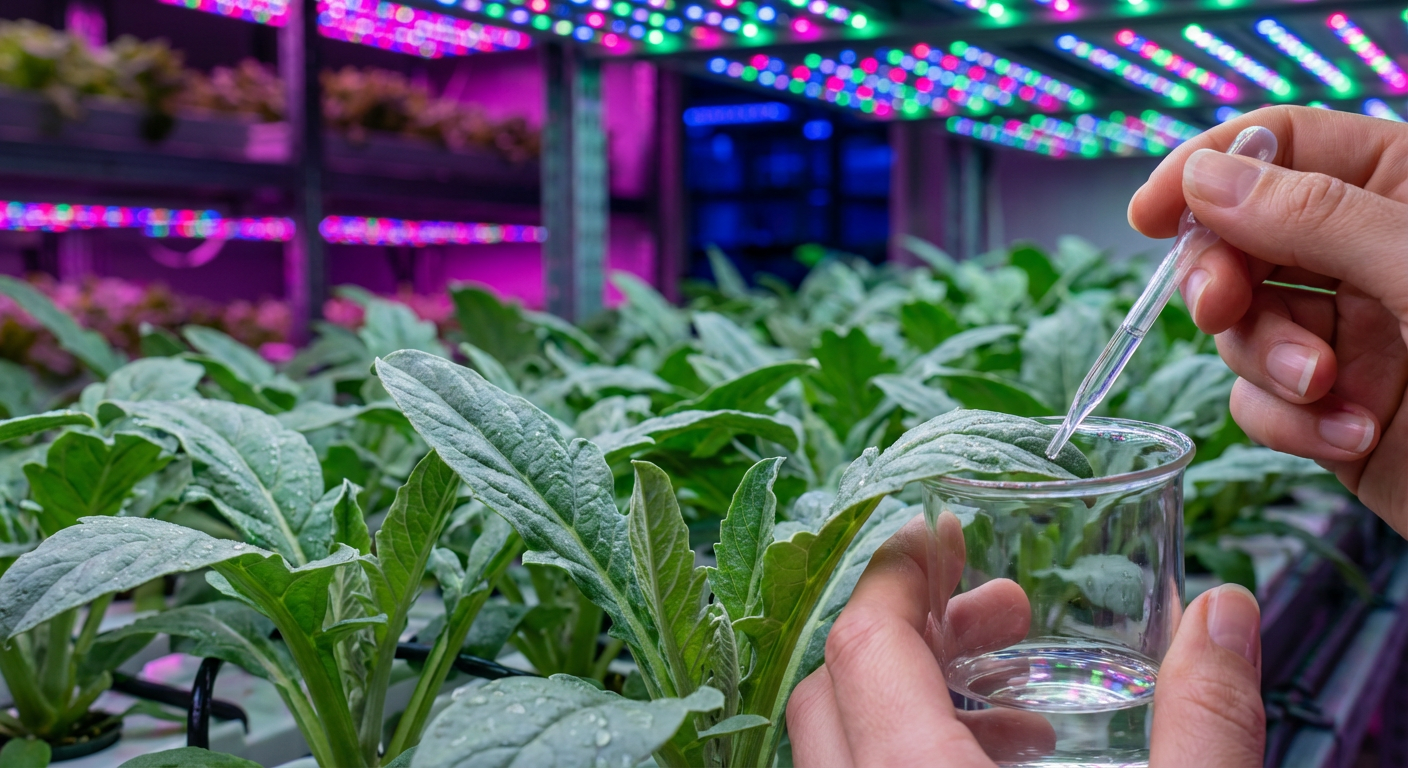
Vertical farming presents a controlled environment that enables precise manipulation of growth conditions, significantly boosting the concentration of key secondary metabolites in plants like Melissa officinalis. This approach directly contrasts with the variability often seen in traditional agriculture.
Xenohormesis and Metabolite Upregulation
Proprietary abiotic/biotic stress protocols, including UV-B irradiation, drought stress, methyl jasmonate (MeJA) application, salinity, and targeted elicitors, are employed to trigger xenohormesis. This process stimulates the plant's natural defense mechanisms, leading to the upregulation of secondary metabolites. For Melissa officinalis, this translates to significantly elevated levels of compounds like rosmarinic acid.
Benefits of controlled stress protocols:
Increased rosmarinic acid content.
Enhanced production of essential oil components.
Improved batch-to-batch consistency.
Batch-to-Batch Consistency and Purity
The tightly controlled environment of vertical farms ensures pharmaceutical-grade microbial cleanliness and zero pesticide usage. This level of purity is often unattainable in field-grown crops, which can struggle with standardization challenges for Melissa officinalis extracts due to environmental variability. Vertical farming provides full European traceability, meeting stringent regulatory requirements.
Key advantages over conventional farming:
Precise control over light, temperature, humidity, and nutrients.
Absence of environmental contaminants and pests.
Optimized genetic expression of desired compounds.
Reduced water and land usage, lowering environmental impact.
Safety, Dosing, and Regulatory Landscape
The safety profile of Melissa officinalis is generally favorable, supported by traditional use and some preclinical data. However, B2B buyers must navigate specific regulatory frameworks and understand appropriate dosing for their applications.
Are lemon balm extracts safe for daily use?
A 90-day rodent study published in 2024 found that an aqueous extract of Melissa officinalis was non-genotoxic, with a No Observed Adverse Effect Level (NOAEL) at approximately 3000–3700 mg/kg body weight per day. This suggests a high safety margin for human consumption at typical doses. Traditional use also supports its general safety. However, comprehensive human safety trials are limited, and regulatory bodies like the European Medicines Agency (EMA) acknowledge traditional use but consider the clinical study base insufficient for specific therapeutic claims.
Regulatory Status in EU/US Markets
In the US, Melissa officinalis is generally recognized as safe (GRAS) by the FDA for use in foods. The EMA acknowledges its traditional use, particularly for mild symptoms of mental stress and for aiding sleep. The European Food Safety Authority (EFSA) also includes lemon balm among botanicals that can support thyroid function in combination products, as per their 2026 assessment. These regulatory stances facilitate its inclusion in various products.
Regulatory considerations for B2B buyers:
FDA GRAS: Permits use in food and beverage products in the US.
EMA Monograph: Guides traditional herbal medicinal product formulations in Europe.
EFSA Botanical List: Provides context for health claims as a botanical ingredient.
Recommended Dosing and Contraindications
Human clinical trials investigating cognitive and mood benefits often use standardized rosmarinic acid-rich extracts, though specific dosage guidelines are not fully established. Suggested exploration for cognitive contexts centers around 500 mg of rosmarinic acid per day. Currently, no clear contraindications have been established, but caution is advised due to the limited scope of rigorous clinical data. Buyers should always consult regulatory monographs and adhere to recommended usage levels for specific end products.
Market Trends and B2B Positioning for Cosmetic & Nutraceutical Applications
The market for natural botanicals is experiencing significant growth, driven by consumer demand for clean-label products and regulatory shifts. This creates a strong commercial imperative for high-potency ingredients like vertically farmed Melissa officinalis.
How much rosmarinic acid is needed for cosmetic anti‑aging effects?
Rosmarinic acid has been reported to inhibit collagenase and elastase, enzymes responsible for the degradation of collagen and elastin, respectively. Through these mechanisms, it may contribute to the prevention of skin aging by preserving extracellular matrix integrity. Although a universally defined threshold for optimal anti-aging efficacy has not been established, cosmetic formulations often aim to standardize rosmarinic acid content to ensure consistency and reproducibility. Controlled cultivation systems, such as vertical farming, can enhance the accumulation of bioactive compounds, including rosmarinic acid, thereby supporting the development of more potent formulations.
Growth in Natural Fragrance and Cosmetics
The European cosmetics market reached €104 billion in 2024, with natural essential oils showing rapid growth in personal care formulations, according to market analysis. EU leaf terpenes, such as those enhanced in vertically farmed Melissa officinalis, command 3-5x premiums over tropical imports due to their superior quality, traceability, and stable supply. Factors like the EU Critical Raw Materials Act underscore the strategic value of locally sourced, high-quality botanical ingredients.
Driving forces for market demand:
Consumer preference for natural, plant-derived ingredients.
Demand for transparent and sustainable supply chains.
Increased focus on skin health and anti-aging products.
Regulatory pressures influencing ingredient sourcing, such as EUDR.
B2B Positioning for High-Value Ingredients
The ability of vertically farmed Melissa officinalis to deliver up to 30 times the rosmarinic acid of field-grown crops positions it as a premium ingredient. This high potency, combined with pharmaceutical-grade cleanliness and full European traceability, makes it particularly attractive for nutraceutical and cosmetic industries. This material also provides competitive advantages over botanicals such as Matricaria recutita for soothing formulas, due to its standardized and high active compound content.
Case Study: Vertical Farm Uplift in Rosmarinic Acid
The application of advanced vertical farming techniques has demonstrated a significant increase in the rosmarinic acid content of Melissa officinalis, offering a quantifiable advantage for industrial buyers.
How do vertical farm extracts compare to field in terms of phytochemical content?
Independent analysis conducted by the CTAEX lab in 2025 confirmed a 30x uplift in rosmarinic acid content in Supernormal Greens’ vertically farmed Melissa officinalis compared to standard field-grown varieties. This substantial increase is a direct result of proprietary abiotic and biotic stress protocols employed in the controlled environment agriculture (CEA) system. Field-grown plants are subject to variable environmental conditions, leading to inconsistent phytochemical profiles. In contrast, vertical farming allows for precise parameter control, optimizing the plant's biosynthesis pathways for specific secondary metabolites.
Comparative uplift in rosmarinic acid:
Field-Grown: Variable, dependent on climate and soil.
Vertical Farm: Up to 30x higher, consistent batch-to-batch.
Implications for Ingredient Potency and Formulation
This 30x enhancement means less raw material is required to achieve desired active ingredient concentrations in final products, reducing logistical burden and potentially lowering formulation costs per unit of active compound. The high concentration also supports claims of superior efficacy, crucial for premium cosmetic and nutraceutical developments. More detailed data and specifications are available, for instance, in the SNG Melissa officinalis Certificate of Analysis.
Key benefits of enhanced potency:
Reduced raw material input per batch.
Higher therapeutic claims for finished products.
Greater formulation flexibility.
Product Applications: Extracts in Foods, Cosmetics, and Pharmaceuticals
The elevated bioactive content of vertically farmed Melissa officinalis broadens its application potential across high-value sectors, from functional foods to specialized cosmetic and pharmaceutical products. This versatility makes it an attractive ingredient for a wide range of B2B manufacturers.
Can lemon balm extracts replace synthetic actives in formulations?
Yes, with significantly higher concentrations of active compounds like rosmarinic acid, vertically farmed Melissa officinalis extracts can effectively replace or reduce the need for synthetic actives in various formulations. For example, its strong antioxidant and anti-inflammatory properties offer a natural alternative for skin-soothing and anti-aging cosmetic products. Formulators seeking a complete guide to Melissa officinalis for cosmetics will find its augmented profile particularly compelling.
Examples of product applications:
Cosmetics: Anti-aging creams, anti-inflammatory serums, natural fragrances, soothing lotions.
Nutraceuticals: Cognitive support supplements, anxiety relief formulas, sleep aids, antioxidant blends.
Functional Foods & Beverages: Calming teas, infused waters, functional snacks.
Optimal Extraction Methods for Rosmarinic Acid
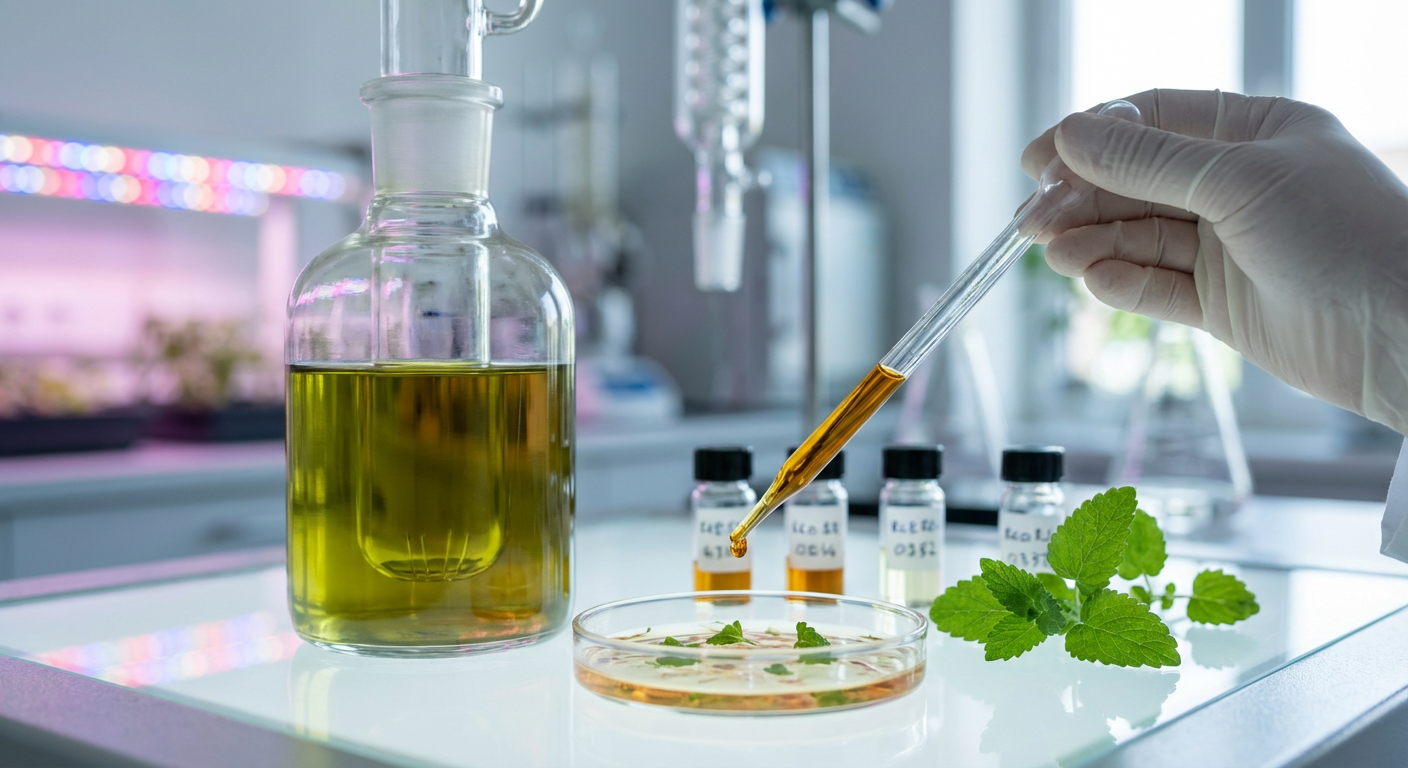
While the specific stress protocols are key to upregulating compounds, appropriate extraction methods are crucial for maximizing rosmarinic acid yield from the biomass. Polar solvents are generally most effective for extracting phenolic acids.
Common extraction methods:
Hydroalcoholic extraction
Supercritical CO2 extraction (for essential oils)
Ultrasound-assisted extraction
Each method needs careful optimization to balance yield, purity, and cost-efficiency for industrial scale.
Frequently Asked Questions
What is the clinical evidence for lemon balm improving cognition?
Clinical evidence, primarily from narrative reviews of human trials, suggests that Melissa officinalis extracts can improve cognitive performance and mood, particularly in elderly individuals with mild cognitive impairment. These benefits are linked to the modulation of GABA-transaminase and the inhibition of neuroinflammatory pathways.
How much rosmarinic acid is needed for cosmetic anti‑aging effects?
While no universal dosage is established, rosmarinic acid's anti-aging effects in cosmetics are supported by its ability to inhibit collagenase and elastase. Formulations typically require a standardized, potent extract to ensure consistent efficacy, making high-concentration sources from vertical farming highly desirable.
Are lemon balm extracts safe for daily use?
Based on traditional use and preclinical toxicological studies (e.g., rodent NOAEL at ~3000–3700 mg/kg bw/day), lemon balm extracts are generally considered safe for daily use within recommended dosages. The EMA acknowledges traditional use without serious side effects but notes limited comprehensive human clinical safety data.
How do vertical farm extracts compare to field in terms of phytochemical content?
Vertical farm extracts consistently show significantly higher phytochemical content compared to field-grown varieties, often by a factor of 3 to 30x for key compounds like rosmarinic acid. This is achieved through precise environmental control and targeted abiotic/biotic stress protocols that upregulate secondary metabolite production.
What regulatory approvals are needed for Melissa officinalis in EU/US?
In the US, Melissa officinalis is FDA GRAS. In the EU, the EMA has issued a monograph for its traditional use in herbal medicinal products, and EFSA includes it in botanical assessments for certain health claims. Specific approvals depend on the end product category and intended claims.
Can lemon balm extracts replace synthetic actives in formulations?
Yes, high-potency Melissa officinalis extracts, particularly those from vertical farming with enhanced active compound concentrations, can serve as natural and effective alternatives to synthetic actives. Their documented antioxidant, anti-inflammatory, and antimicrobial properties provide functional benefits in cosmetic and nutraceutical formulations.
What price premiums do EU leaf extracts command over imports?
EU leaf terpenes, including those from Melissa officinalis, command 3-5x price premiums over tropical imports. This premium reflects superior quality, robust supply chain traceability, adherence to European regulatory standards, and reduced risk associated with geopolitical instability or non-compliance with regulations like EUDR.
Which extraction methods maximize rosmarinic acid content?
Extraction methods using polar solvents, such as hydroalcoholic extraction, are generally most effective for maximizing rosmarinic acid content from Melissa officinalis. Ultrasound-assisted extraction can also enhance yields. Optimal method selection depends on the target purity, concentration, and industrial scalability requirements.
What are typical human dosages in clinical studies for therapeutic effects?
Human dosages in clinical studies for therapeutic effects, particularly for cognitive and anxiolytic benefits, often involve standardized rosmarinic acid-rich extracts. While not fully established, exploration around 500 mg of rosmarinic acid per day has been suggested in cognitive contexts. Finalizing formulations often hinges on ingredient quality and data. Supernormal Greens provides European-sourced Melissa officinalis with quantifiable superior characteristics. Contact Supernormal Greens to request samples and specifications.