


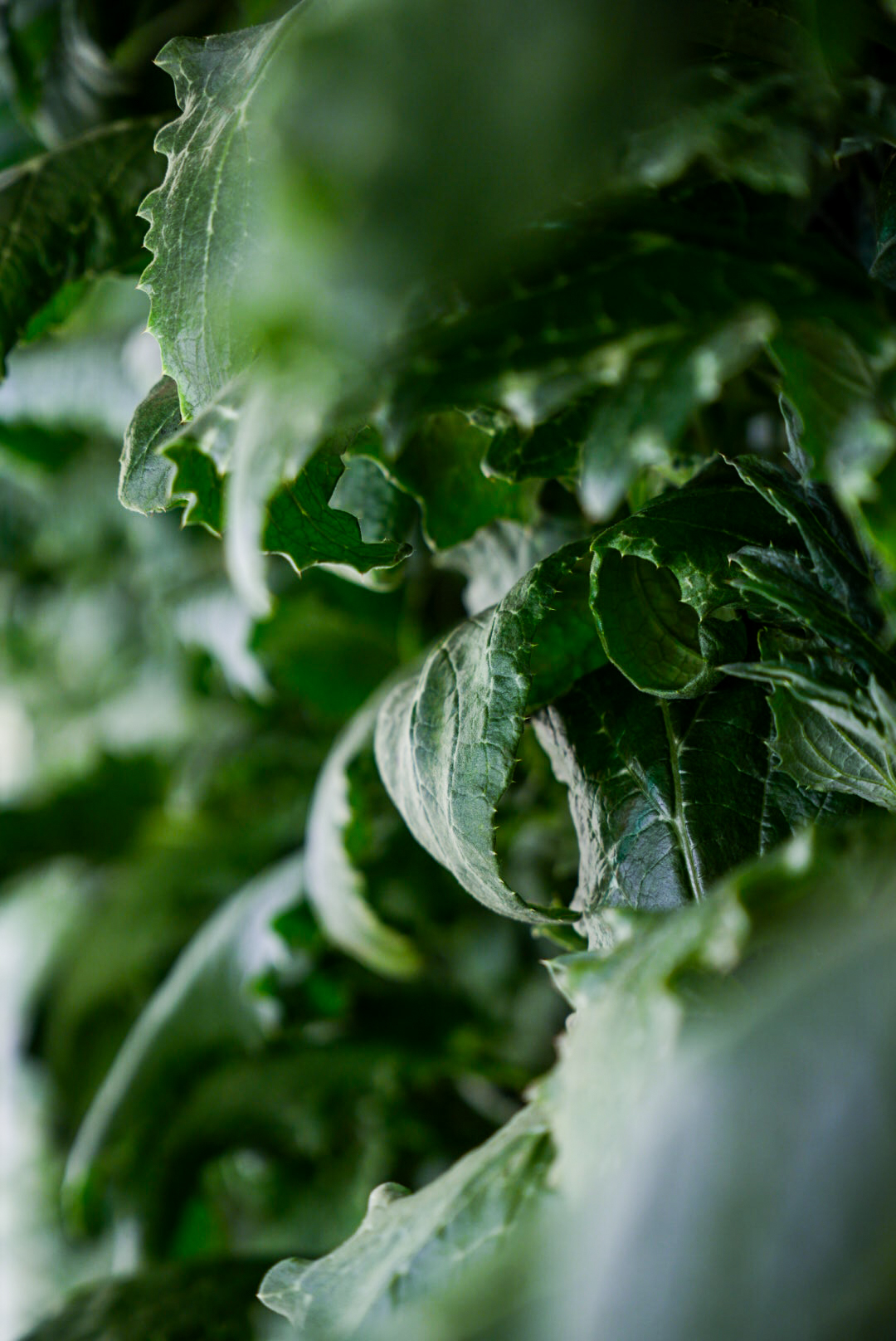
Cynara Cardunculus
A fiber- and polyphenol-rich botanical recognized for its prebiotic and antioxidant profile. Valued in microbiome-focused cosmetics and nutraceutical development supporting digestive, metabolic, and skin-related research contexts.
Key compounds: Inulin, Cynarin
Markets: Cosmetics, Nutraceuticals, Functional Ingredients
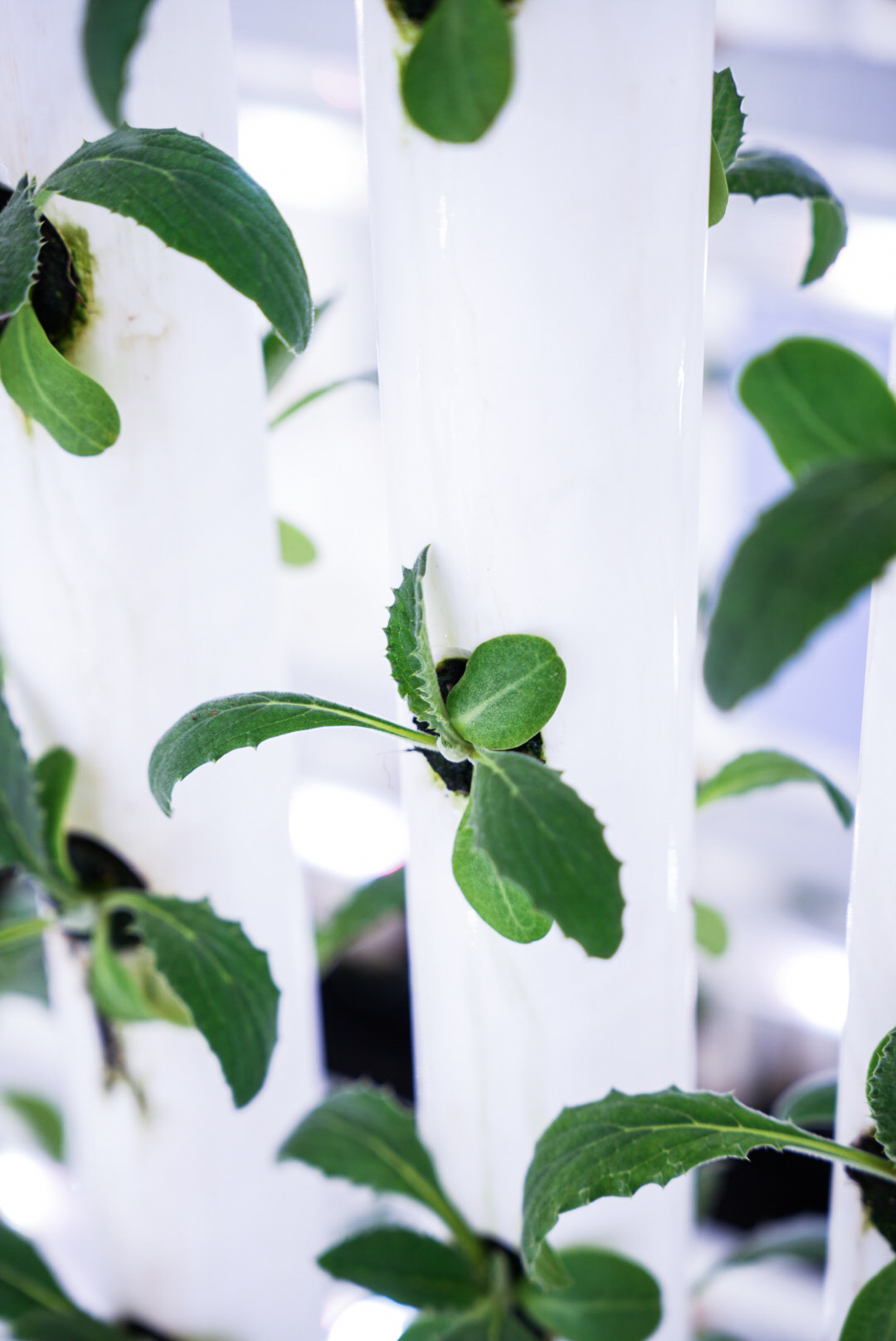
Cultivation: Controlled Environment Agriculture
Plant Overview
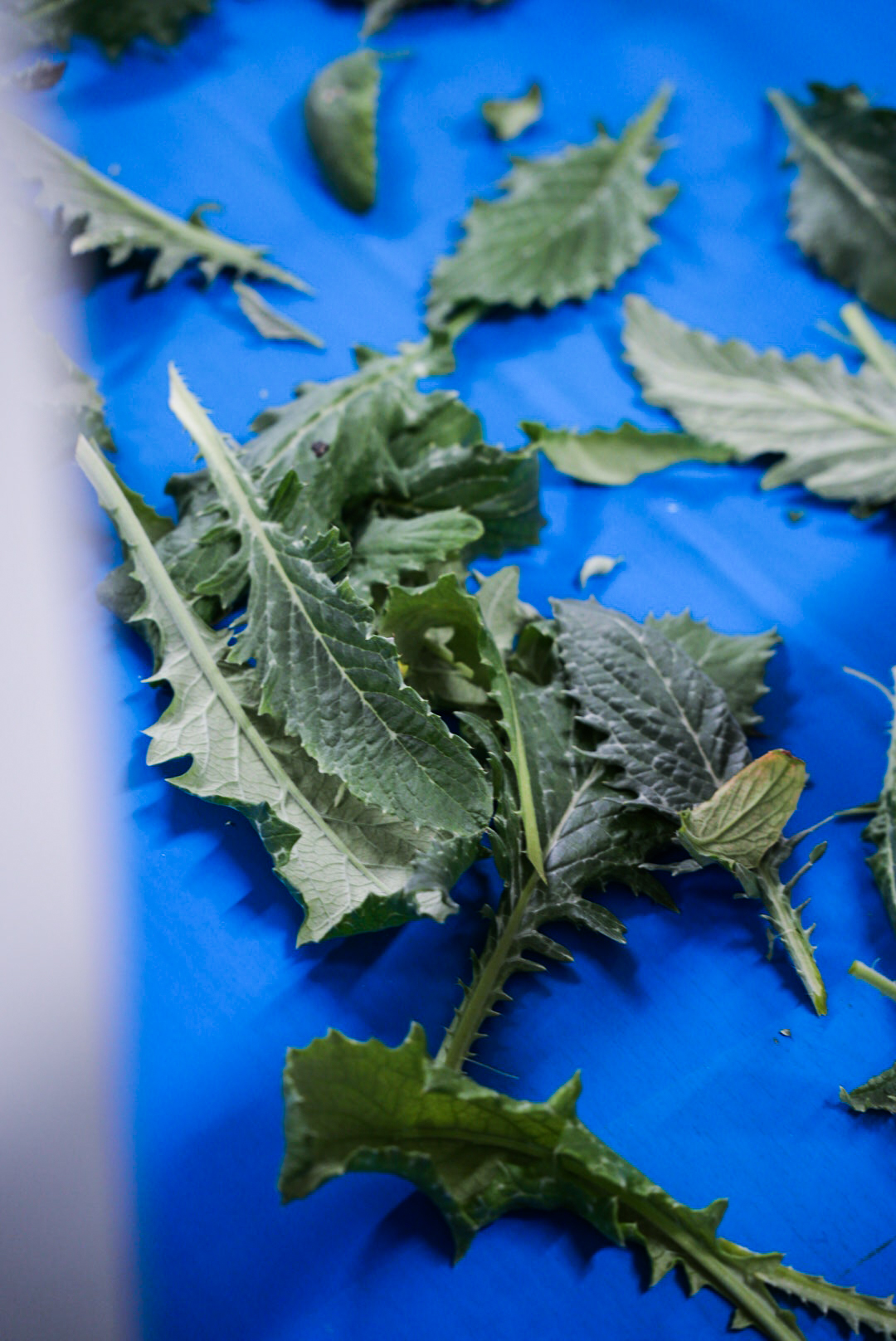
Cynara Cardunculus is valued for its fiber and polyphenol-rich metabolite profile which is highly relevant to microbiome and metabolic research. Compounds such as Inulin, Cynarin, and chlorogenic acid are influenced by plant maturity and cultivation conditions, making upstream control essential when repeatability matters.
Beyond individual markers, the plant expresses a coordinated network of prebiotic fibers and phenolic compounds studied for gut microbiome modulation, oxidative stress balance, and inflammation-related pathways. This positions Cynara Cardunculus within cosmetic microbiome applications and nutraceutical strategies focused on digestive and metabolic support.
Evidence-based Applications
Cynara Cardunculus has been studied for its fiber and polyphenol composition and their relevance across cosmetic and nutraceutical applications.
Rich in Inulin and related fibers, Cynara Cardunculus is studied for its ability to support beneficial gut microbiota, making it relevant in digestive health and microbiome-focused formulation strategies.
Polyphenols and fibers interact with microbial ecosystems, contributing to research interest in both gut and skin microbiome modulation contexts.
Chlorogenic acid and related phenolics demonstrate antioxidant activity, supporting applications linked to oxidative stress and skin aging.
Cynarin and associated compounds have been investigated in hepatobiliary and digestive research contexts, contributing to nutraceutical positioning.
The plant’s metabolite profile has been evaluated in studies exploring lipid metabolism and metabolic balance pathways.
In cosmetic research, Artichoke-derived ingredients are explored for roles in barrier support, tone appearance, and environmental stress resilience.

Key compounds
Inulin
Inulin is a plant-derived dietary fiber found in species such as Artichoke (Cynara Cardunculus). It belongs to a group of carbohydrates known as Inulin-type fructans, widely studied for their nutritional and functional properties. Best known for its prebiotic effects, inulin supports beneficial gut bacteria and digestive health and is widely used in nutraceuticals, functional foods, and microbiome-focused cosmetic formulations.
Markets: Nutraceuticals, Cosmetics, Pharma
Cultivation Method: Controlled Environment Agriculture
Cynarin
Cynarin is a naturally occurring polyphenolic compound associated with Cynara Cardunculus (Artichoke). Chemically classified as a distinctive dicaffeoylquinic acid, it serves as a principal bioactive marker of Artichoke and is often discussed alongside related polyphenols such as chlorogenic acid. Cynarin is valued for multifaceted hepatoprotective, choleretic, antioxidant, and lipid-modulating activities, underpinning its relevance in cosmetic, nutraceutical, and phytopharmaceutical innovation.
Markets: Cosmetics, Nutraceuticals, Pharma
Cultivation Method: Controlled Environment Agriculture
Quality & Consistency
What this unlocks for your products
When performance depends on potency and repeatability, cultivation control becomes a functional advantage — not a marketing claim.
Application Snapshot
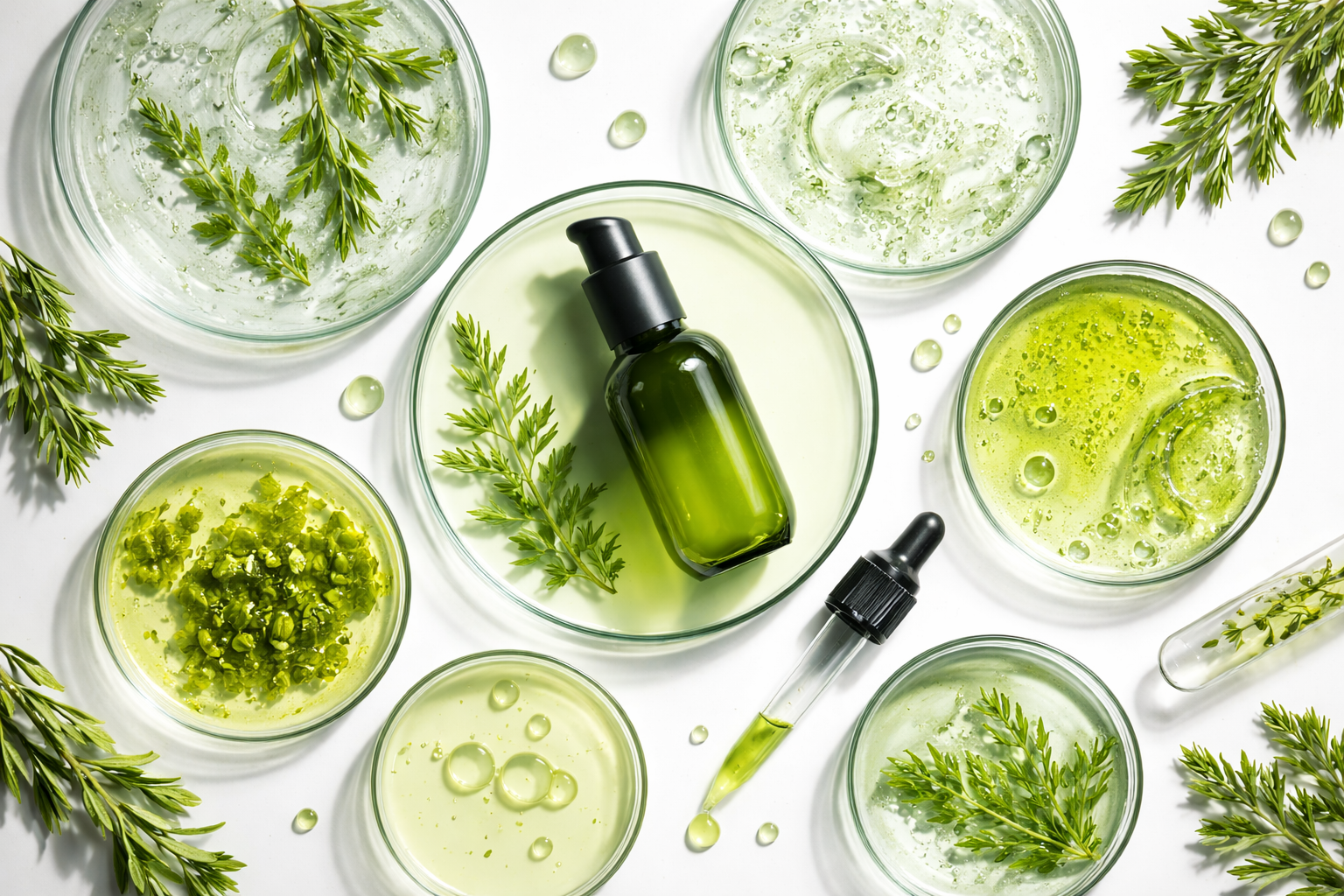

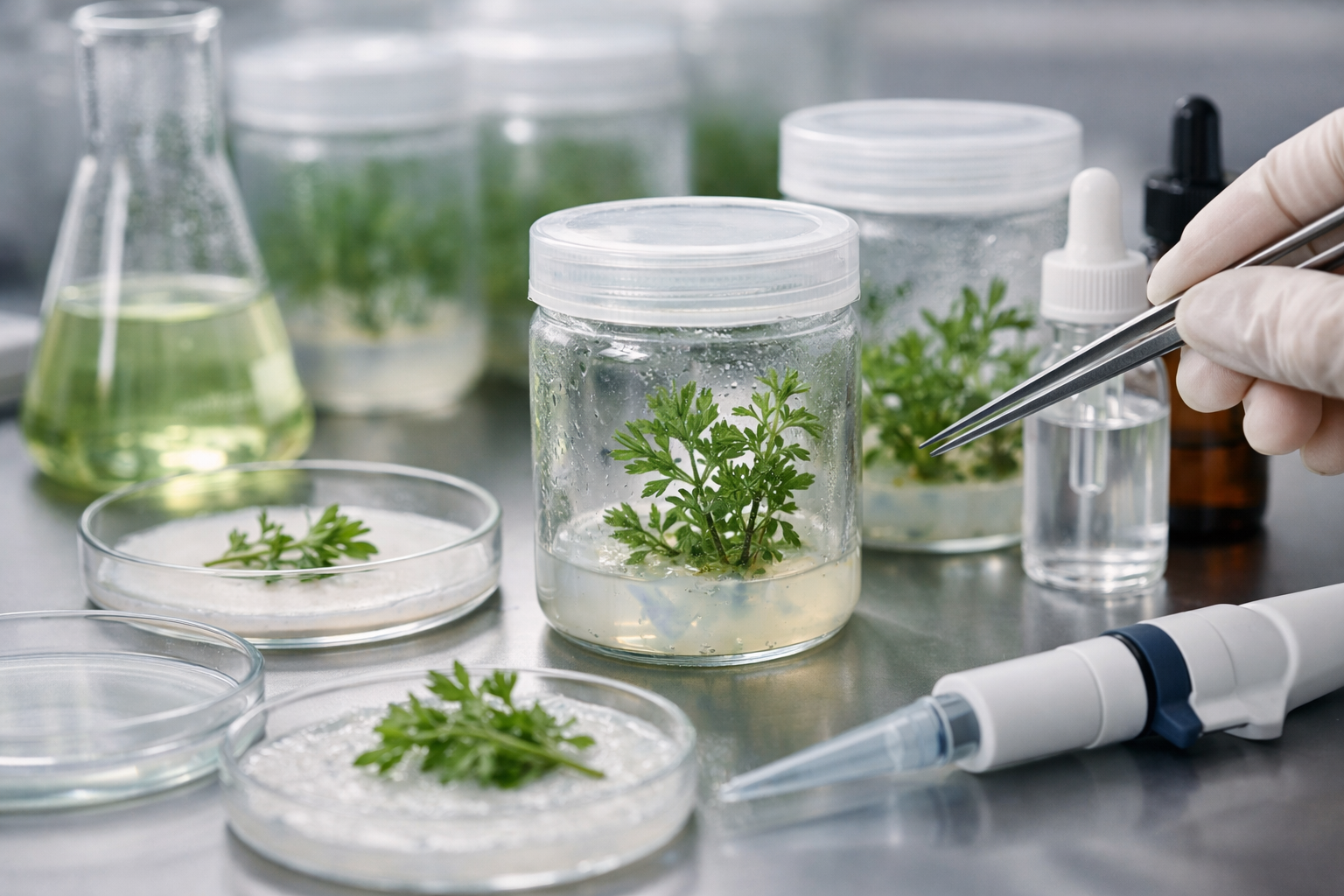
Q&A
Cynara Cardunculus contains naturally occurring Inulin and polyphenols that are studied for their interaction with microbial ecosystems. This makes it relevant for both gut microbiome nutraceuticals and skin microbiome–supportive cosmetic strategies.
Inulin serves as the primary prebiotic fiber, while Cynarin and chlorogenic acid act as key polyphenol markers. Together, they shape digestive, metabolic, antioxidant, and skin-related positioning.
Polyphenol-rich extracts are explored for antioxidant protection, environmental stress resilience, and barrier-support positioning. Microbiome-aligned narratives further expand its relevance in skin-focused innovation.
Its combination of prebiotic fiber and phenolic compounds supports digestive health, metabolic balance, and oxidative stress positioning—while allowing for measurable marker compounds and defined specifications.
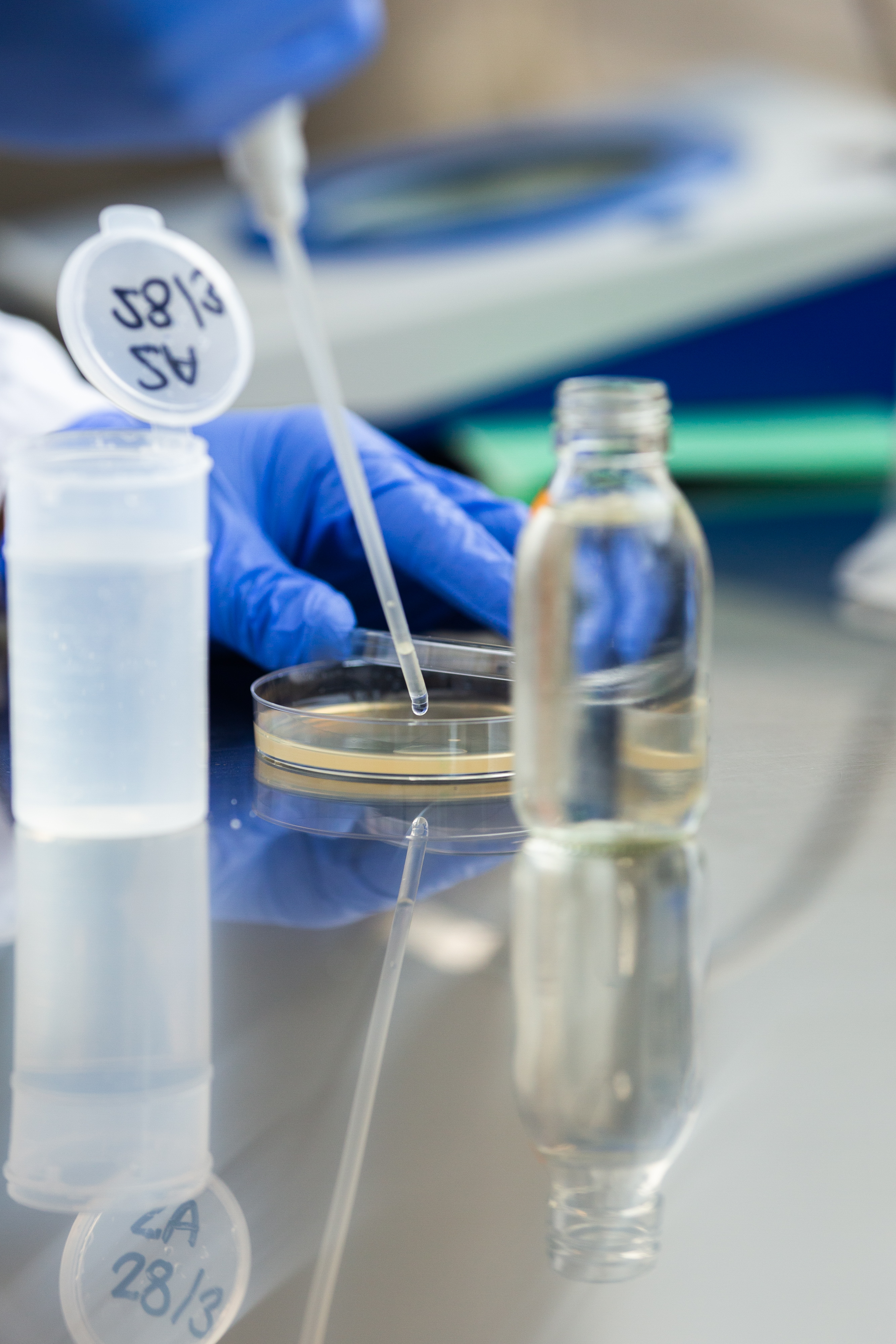
Inulin levels and polyphenol concentration are influenced by plant maturity and growing conditions. Controlled cultivation helps maintain defined fiber content, metabolite density, and batch repeatability.
When formulation strategy requires a botanically derived prebiotic combined with antioxidant polyphenols—especially in products positioned around gut health, skin microbiome, or metabolic support.