


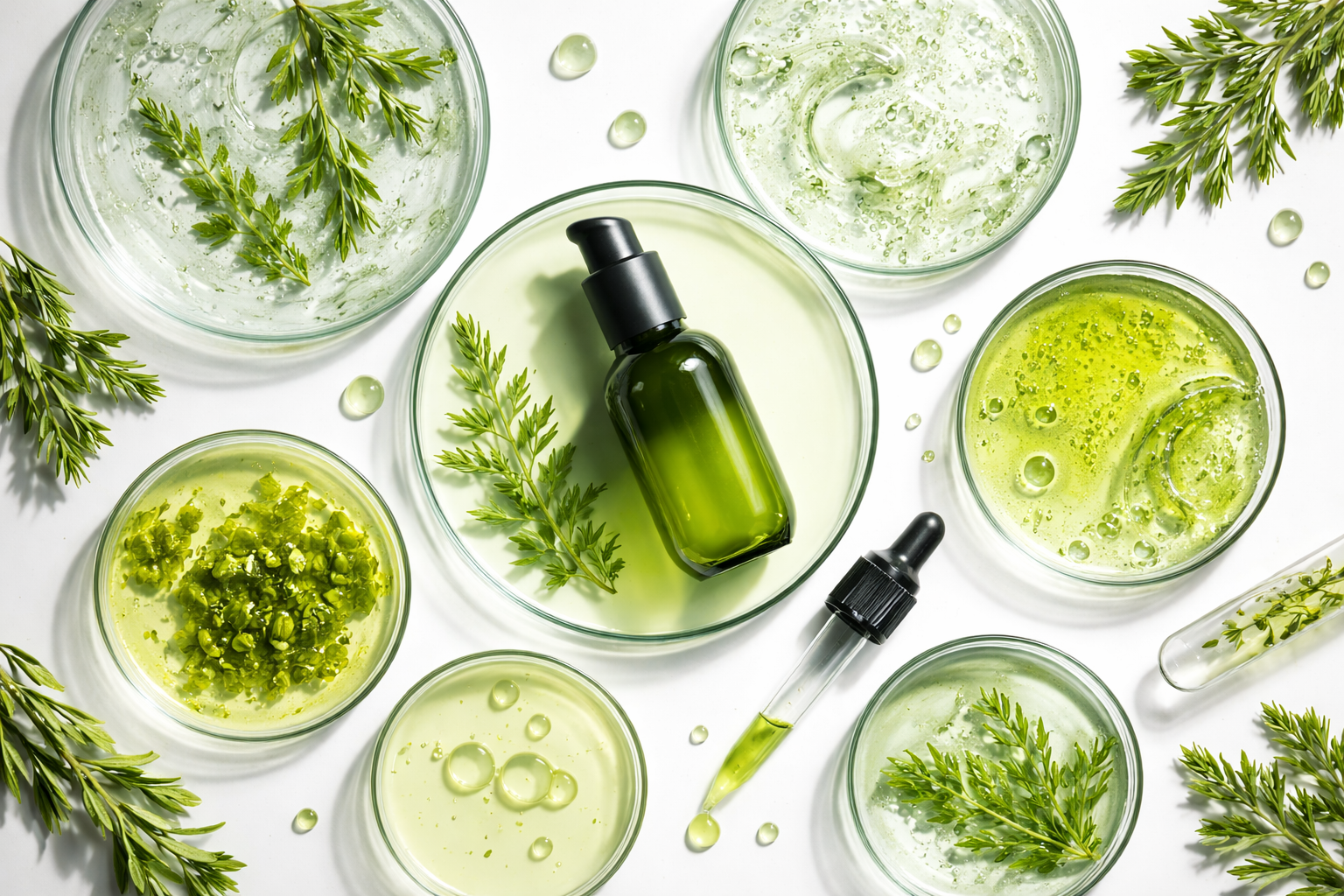
Botanical Ingredients for Cosmetics & Personal Care
Plant-derived compounds used in cosmetic and personal care formulation where ingredient quality, consistency, and well-characterized plant chemistry are essential. These botanical ingredients support the development of skincare and personal care products built around functional plant-based actives.
Summary
Cosmetic innovation increasingly depends on botanical raw materials that are both functional and predictable. However, natural variability in plant material can influence stability, scent profile, and bioactive concentration.
At Supernormal Greens, we focus on upstream optimization — enhancing selected plant species so that relevant secondary metabolites are more consistent and formulation-ready.
Controlled cultivation enables:
- Stabilized metabolite expression
- Reduced batch-to-batch variability
- Defined aromatic fractions
- Improved predictability in cosmetic formulations
We work at the plant level — so downstream formulation becomes more reliable.
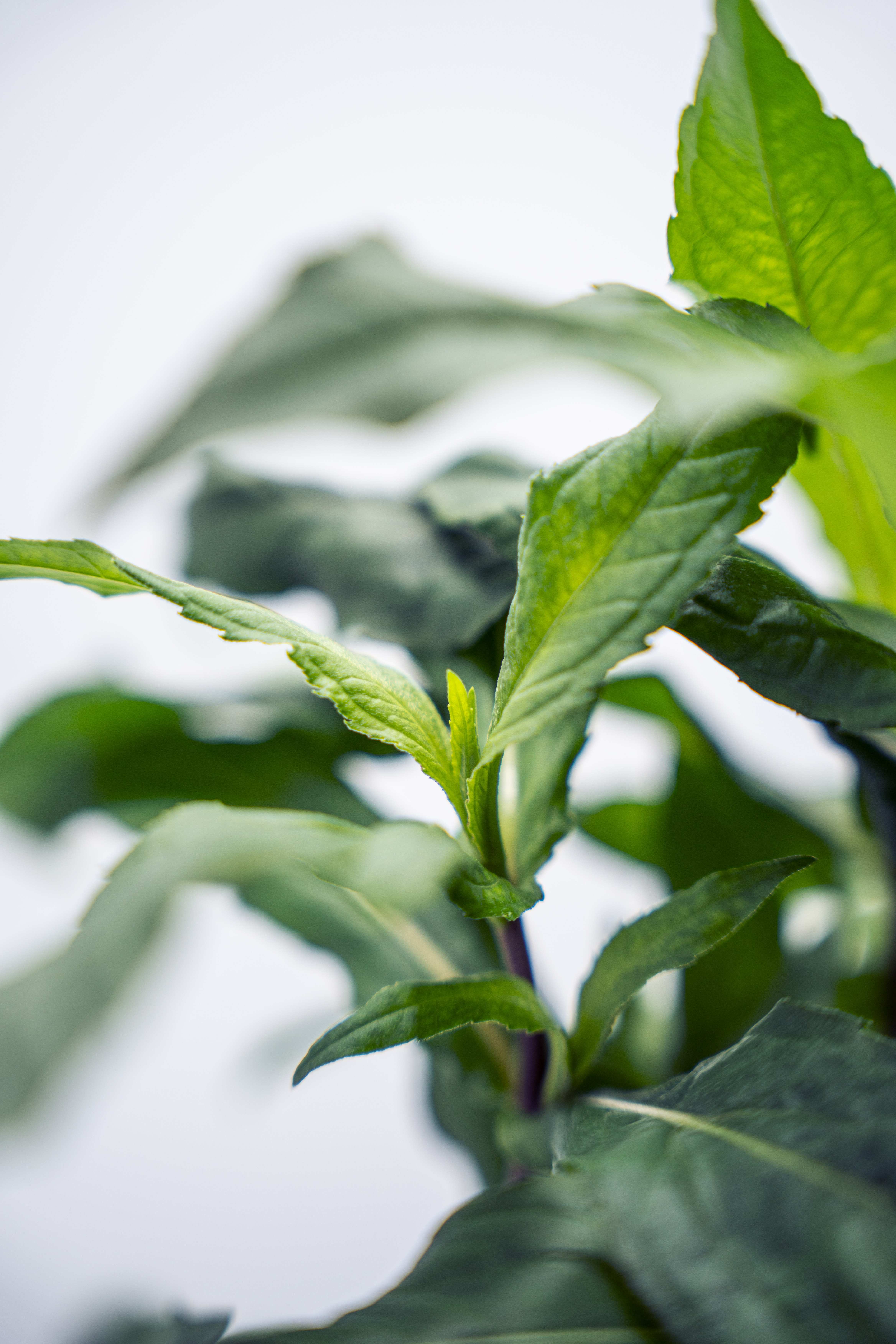
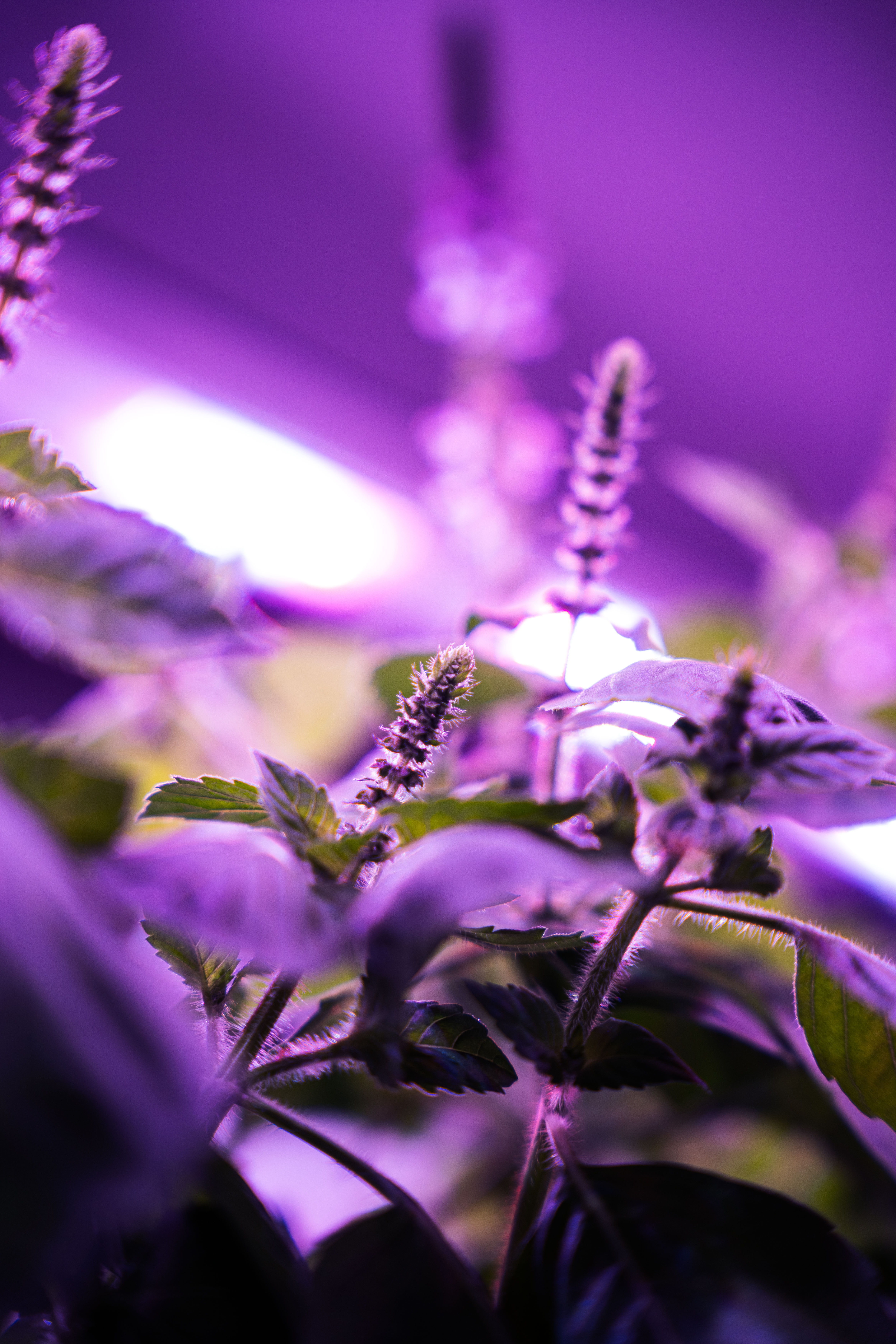
Precision Cultivation for Cosmetic Performance
Cosmetic formulators require reproducibility. Variations in climate, soil, and harvest timing can significantly alter botanical compound profiles.
Using controlled cultivation methods, we:
- Regulate light spectra to influence metabolite expression
- Control abiotic stress variables
- Optimize harvest timing
- Monitor plant-level consistency
This creates a more stable botanical starting point for cosmetic innovation.
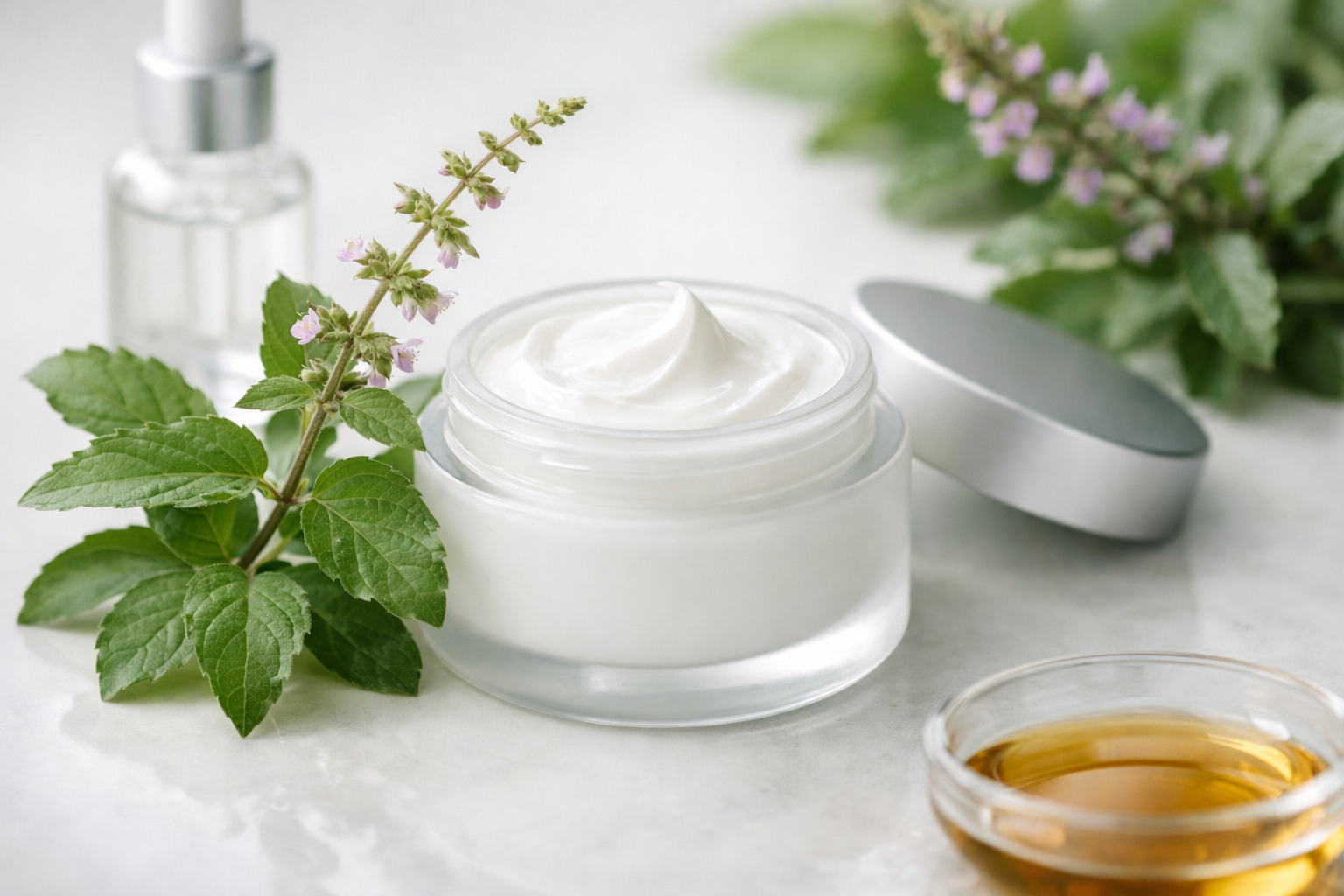
Cosmetic Application Areas
Skin Care
- Phenolic-rich botanical species
- Stability-aware plant material
- Ingredients suited for advanced formulation development
Hair Care
- Botanicals relevant to scalp and hair biology
- Plant chemistry explored for hair and scalp innovation
- Ingredients supporting new formulation concepts
Clean Beauty
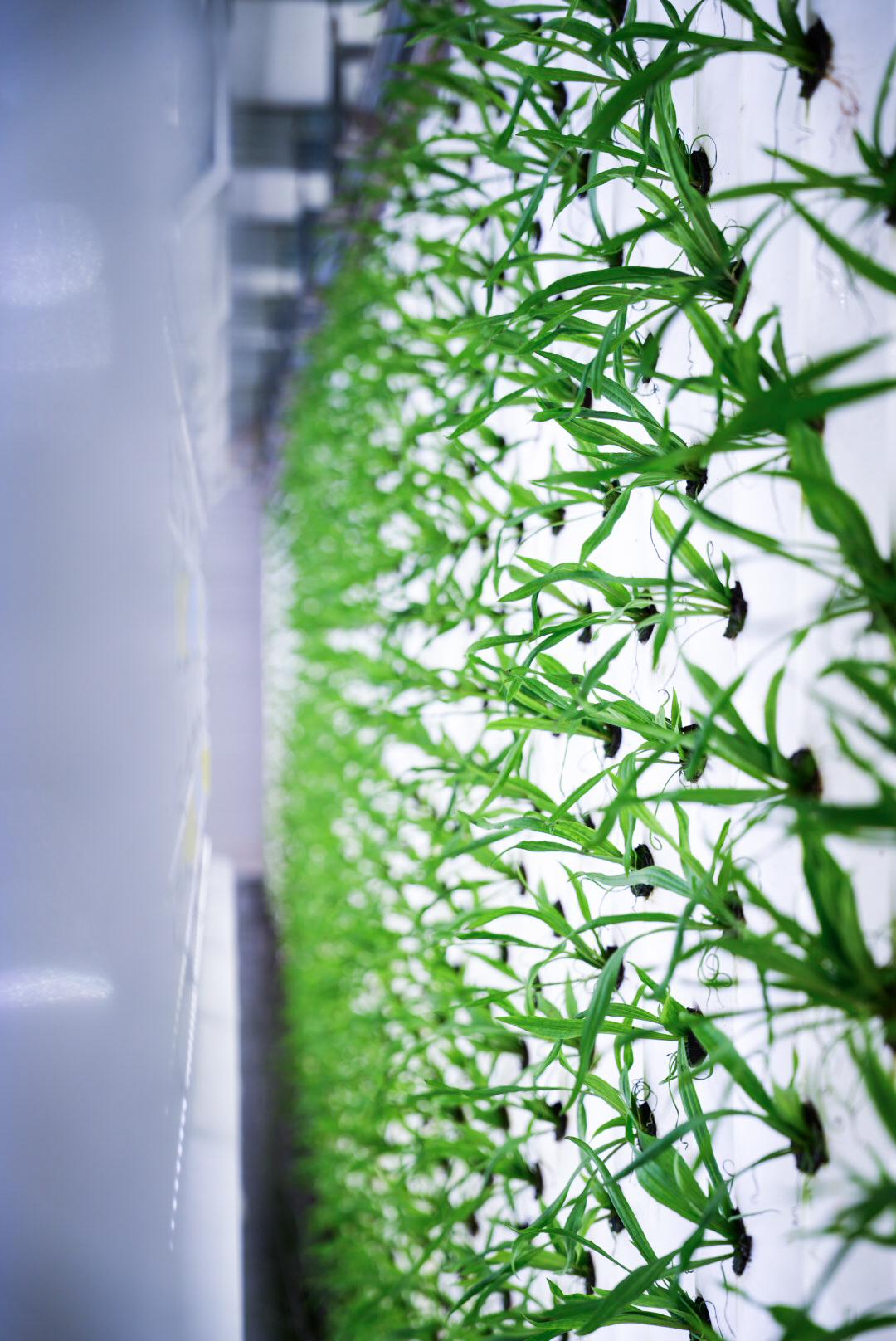
- Controlled environment cultivation
- Reduced environmental variability
- Transparent plant origin
Why Controlled Cultivation Matters in Cosmetics
Botanical ingredients are biologically dynamic. Environmental stressors directly influence compound expression.
Controlled cultivation reduces:
- Seasonal variation
- Geographic variability
- Inconsistent metabolite levels
Q&A
Plant cultivation conditions directly affect the concentration and balance of secondary metabolites such as phenolic compounds and aromatic fractions. Variations in light exposure, nutrient availability, and environmental stress can alter compound expression. Controlled cultivation enables more predictable botanical inputs for cosmetic formulation.
Metabolite variability can impact product stability, scent profile, color, and overall performance. Inconsistent raw botanical inputs may require reformulation or adjustment. Stabilizing plant-level compound expression improves formulation reliability.
Compounds such as phenolic acids, flavonoids, terpenes, and aromatic fractions are often relevant in cosmetic contexts due to their functional and sensory characteristics. Their expression is influenced by cultivation conditions.
CEA allows precise control over light spectrum, humidity, nutrients, and stress exposure. This reduces environmental variability and enables optimization of metabolite expression within selected plant species.
Supernormal Greens focuses on optimizing plant cultivation and metabolite consistency at the botanical level. We support cosmetic R&D teams by providing stable, traceable plant material optimized for downstream applications.
R&D teams can engage with Supernormal Greens to explore plant species, discuss metabolite consistency needs, and evaluate botanical inputs aligned with formulation goals. Collaboration focuses on upstream plant optimization.
Latest insights
Cynara cardunculus in Wound Dressing Films: Lab Data
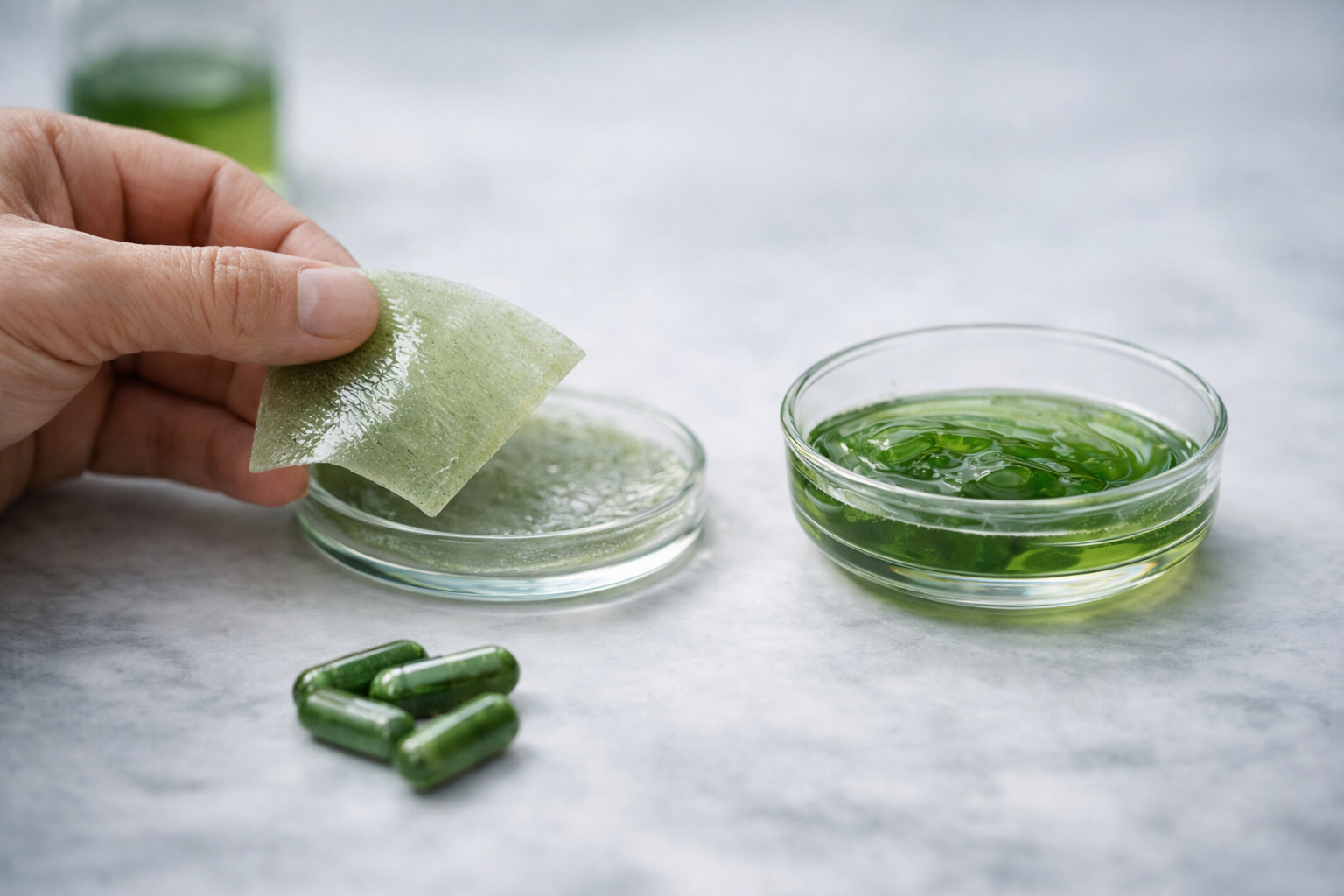
Cynara cardunculus extract (containing cynaropicrin) was integrated into chitosan wound dressing films. This study examined physical properties, cytotoxicity on fibroblasts, and IL-6 reduction in LPS-stimulated cells.

Rethinking Artemisia annua in Cosmetic Formulation
Romanian researchers explored extraction methods for Artemisia annua hydroalcoholic extracts, testing antioxidant potential and emulsion stability to determine suitability for dermatocosmetic applications.
.jpg)
Artemisia annua Essential Oil for Skin: What Lab Research Shows
Artemisia annua essential oil showed anti-inflammatory activity in cell and animal studies. This review examines its composition, extraction, and potential as a topical botanical ingredient for cosmetic and dermatological formulation.
.jpg)
Melissa officinalis for Skin: What Psoriasis Research Shows
Melissa officinalis ssp. altissima extracts showed anti-psoriatic activity in a mouse model, with triterpenes and polyphenols linked to reduced epidermal hyperplasia and improved skin barrier markers.