


Citral
Citral is a plant-derived compound responsible for the lemon-like aroma of many aromatic plants. It is a volatile monoterpene widely used in fragrance and cosmetic formulations and consists of two isomers: geranial (trans) and neral (cis). It has also been studied for antimicrobial and anti-inflammatory activity.
Markets: Cosmetics, Nutraceuticals, Pharma
Cultivation Method: Controlled Environment Agriculture
.jpeg)
Compound Overview
Citral is a naturally occurring plant compound known for its distinctive fresh lemon-like aroma. Chemically, it is an acyclic monoterpene aldehyde composed of two closely related isomers: geranial (trans) and neral (cis). Together, these molecules form what is commonly referred to as Citral.
Citral occurs in several aromatic plant species and plays an important role in fragrance chemistry and botanical extracts. Because of its strong scent and volatility profile, it is widely used in fragrance, cosmetics, personal care formulations, and flavor-related applications.
Beyond its sensory value, Citral has also been studied for antimicrobial and anti-inflammatory activity. This combination of aroma functionality and biological relevance makes it a versatile compound in cosmetic, formulation, and research contexts.
Evidence-backed Applications
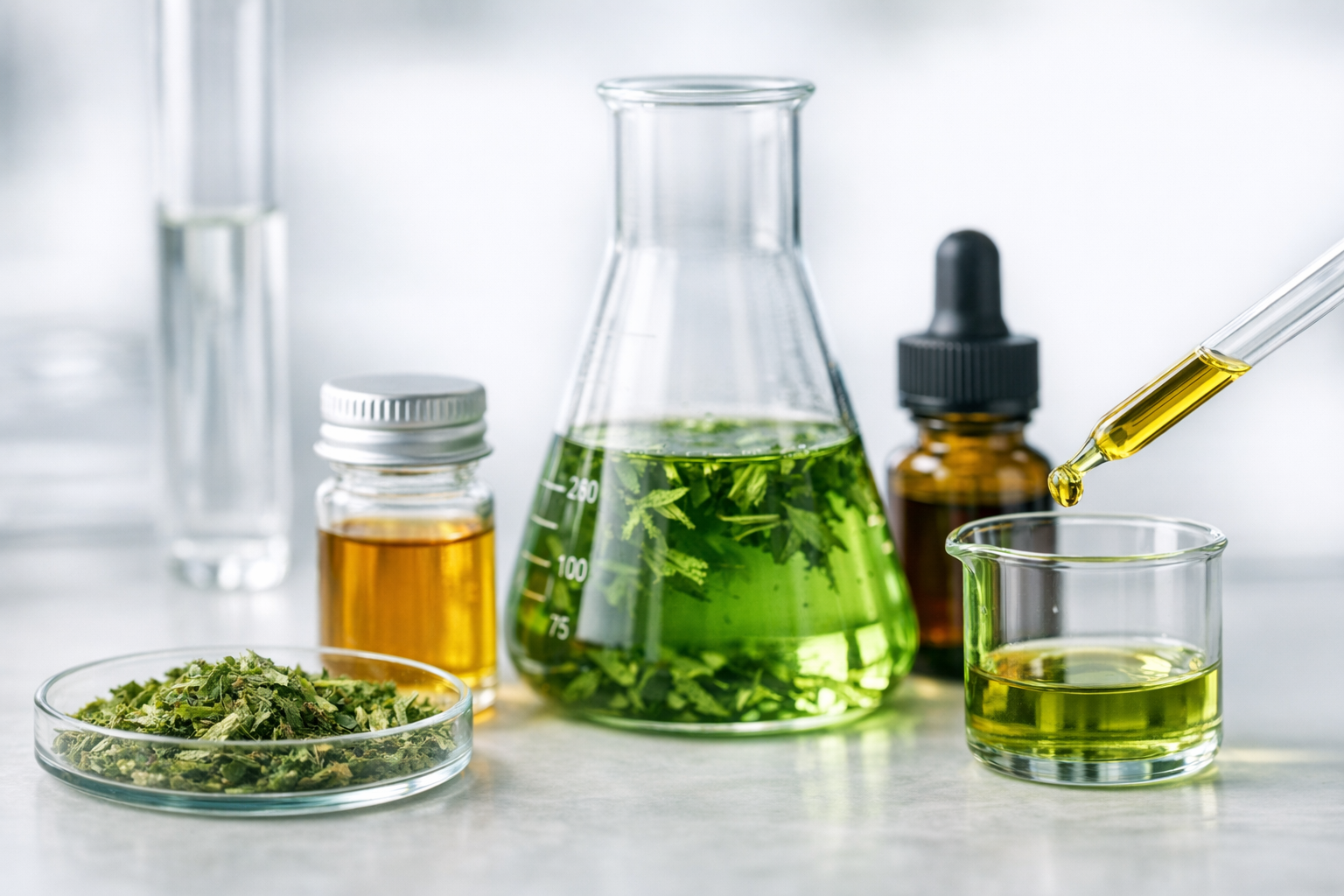
Citral is a naturally occurring monoterpene aldehyde found in many aromatic plants and essential oils. Scientific literature has explored citral in research related to antimicrobial activity, inflammation pathways, oxidative stress, and aroma-active compounds in botanical extracts.
Citral has been widely studied for its activity against various bacteria and fungi, particularly in research examining plant-derived antimicrobial compounds.
Studies have investigated Citral’s interaction with inflammatory signaling pathways, including mechanisms associated with cytokine and oxidative stress responses.
Citral is extensively studied as a key aroma compound responsible for characteristic lemon-like sensory profiles in citrus and aromatic plants.
Citral is frequently analyzed in research evaluating essential oil composition, terpenoid biosynthesis, and plant volatile compound profiles.
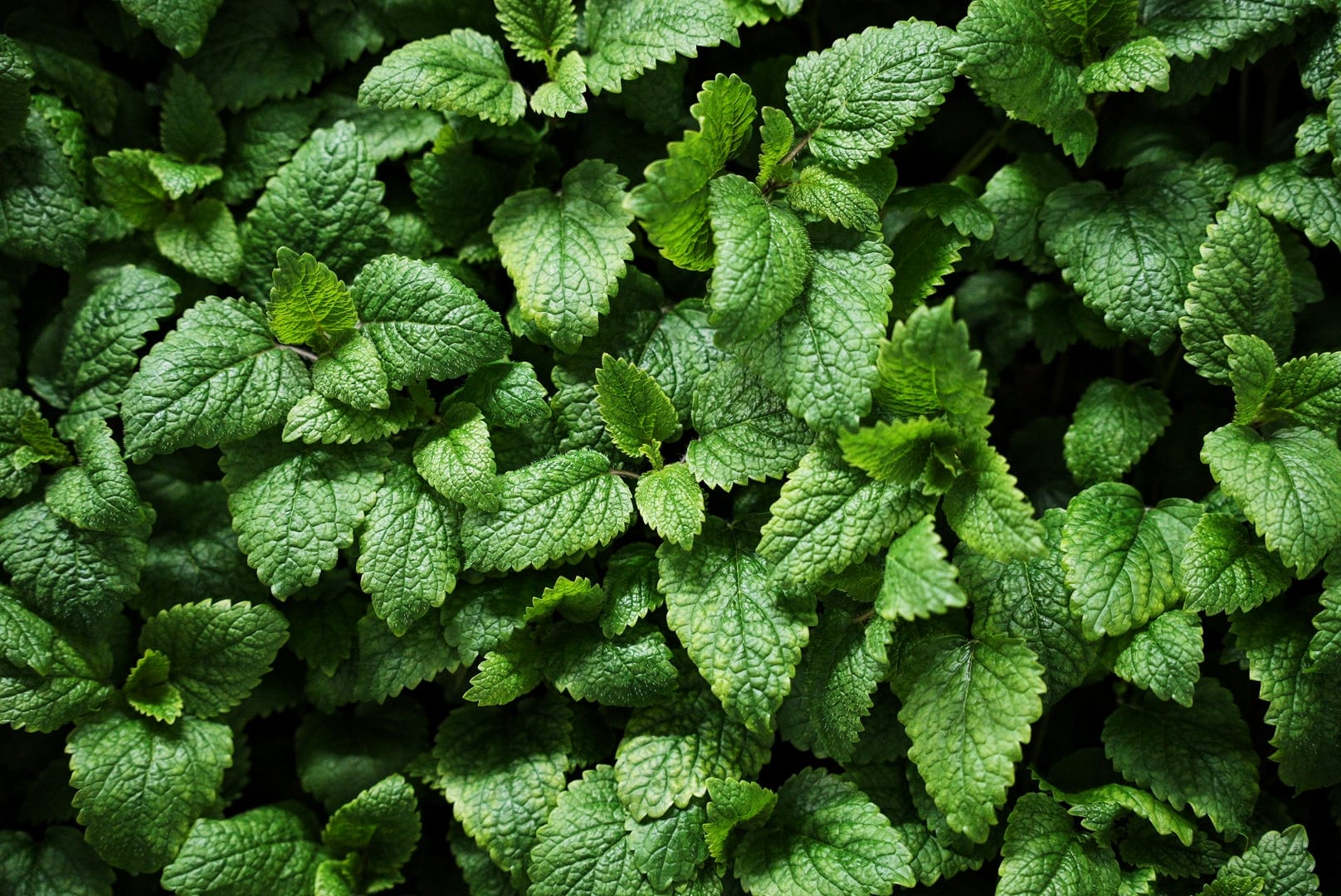
Citral from Melissa officinalis (lemon balm)
Citral occurs naturally in lemon balm and is reported as part of the essential oil fraction in published composition work.
What professional teams care about (plant-first lens):
- botanical identity (species + plant part)
- variability drivers (cultivation conditions, harvest timing, post-harvest handling)
- batch comparability (repeatable aroma outcome across lots)
- supplier reliability + traceability (documentation that survives procurement + QA review)
Why CEA helps: controlled cultivation reduces uncontrolled environmental variance, which supports more stable botanical profiles and cleaner production metadata (useful for qualification workflows).
Why Controlled Cultivation Matters
Controlled cultivation enables:
For procurement and QA teams, this supports:
- Easier evaluation of supplier material
- Stronger documentation for audits and internal review
- More repeatable plant inputs for formulation or research pipelines
Application Snapshot


FAQ
Citral is a mixture of two geometric isomers, geranial (trans) and neral (cis), with a characteristic lemon aroma
They are isomers with different sensory/physical behavior. In practice, teams often care about the ratio because it influences the perceived lemon character.
Yes, Citral is reported within the essential oil fraction of Melissa Officinalis in published composition work.
Botanical profiles can vary with environment and harvest timing. Controlled cultivation supports repeatable conditions and clearer documentation for batch comparison.
R&D scientists, formulators, procurement/sourcing, and QA/regulatory professionals working across Cosmetics, Fragrance/Aromatics, Nutraceuticals, and Pharma research.