


Botanicals for
Pharmaceutical Research
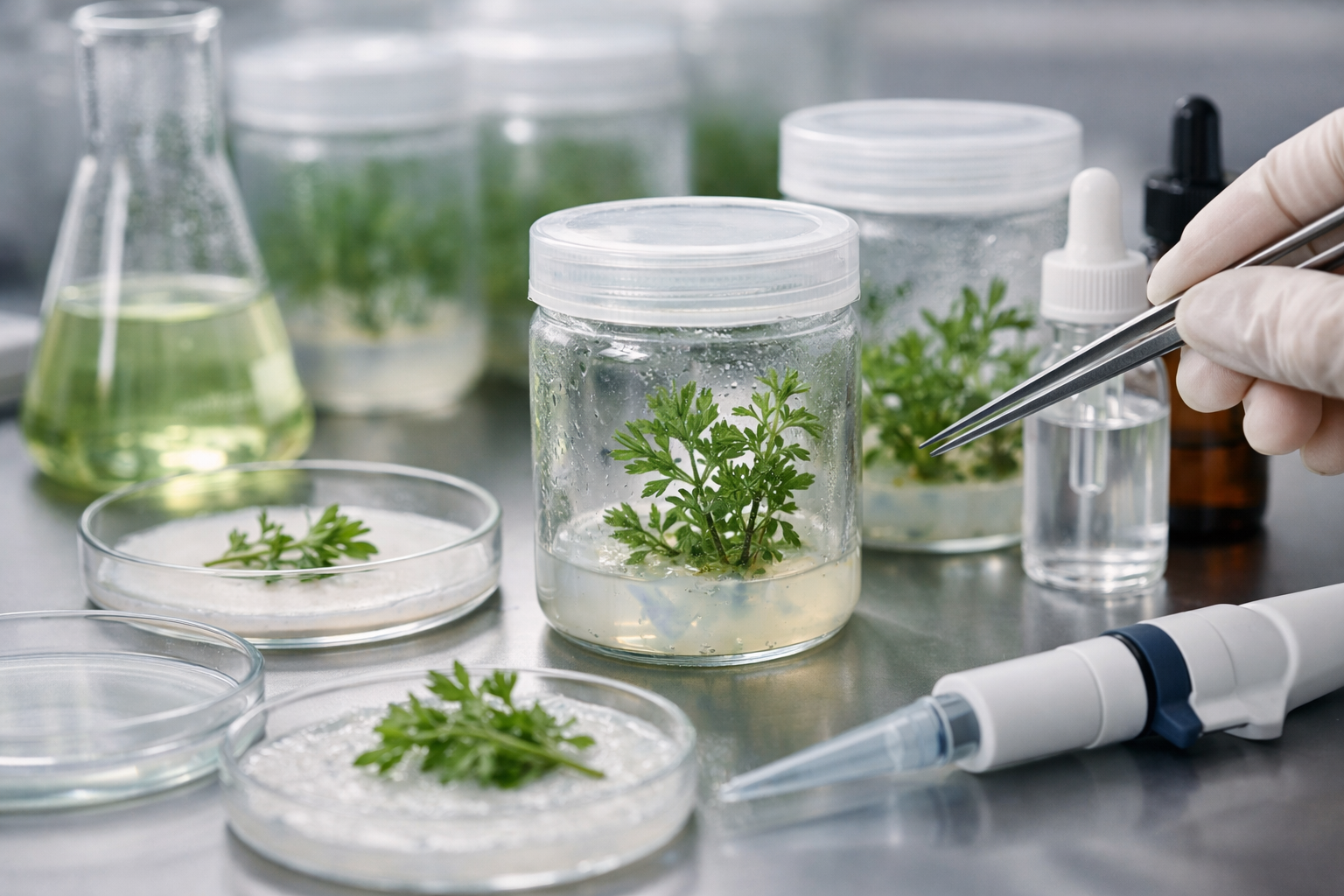
Research-aligned botanical compounds explored within pharmaceutical development, mechanism-of-action studies, and translational research contexts. These plant-derived materials support scientific investigation where controlled cultivation, traceability, and defined phytochemical profiles are required.
Botanical Precision for Pharma
Pharmaceutical research environments require precision and reproducibility. Plant material variability can influence experimental outcomes.
Controlled cultivation helps standardize botanical inputs, improving reliability in research contexts.
At Supernormal Greens, our work goes beyond cultivation. By understanding plant physiology and environmental responses, we design growth conditions that support consistent metabolite expression and can enhance the production of high-value plant compounds.
This creates a more reliable and scalable botanical platform for research focused on potent, well-characterized plant-derived molecules.
Upstream Optimization for Research Applications
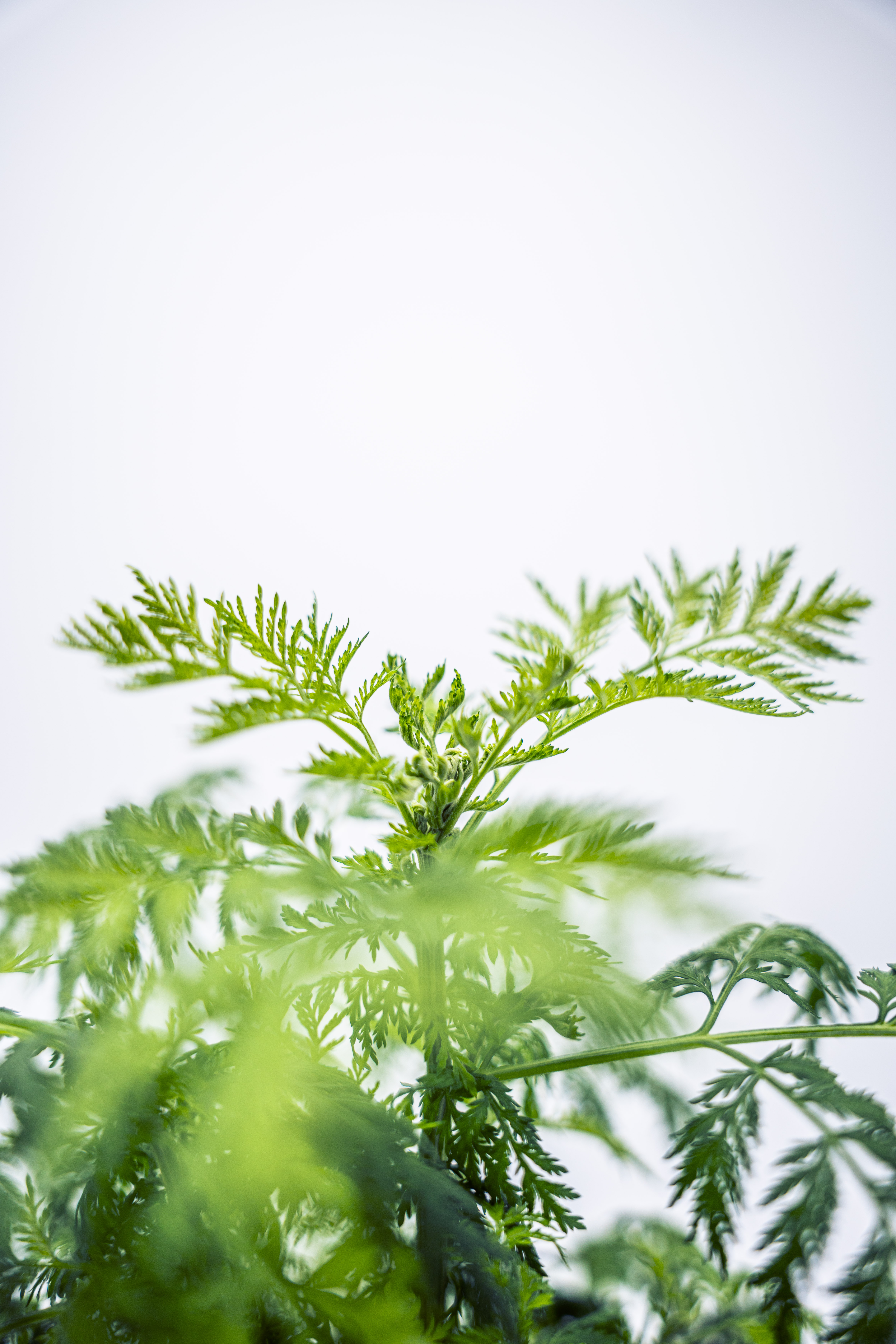
We stabilize plant-level metabolite expression through controlled cultivation, supporting pharmaceutical research environments that require consistency and traceability.
Field-grown botanicals often show significant variability due to climate, soil conditions, geography, and harvest timing. This variability can complicate research, analytical validation, and early-stage compound exploration.
By tightly controlling light, climate, and nutrient conditions, we reduce these variables and support more consistent metabolite expression across batches.
Combined with analytical profiling such as HPLC and LC-MS, this creates a reliable upstream platform for pharmaceutical research involving plant-derived compounds and complex botanical systems.
Research Application Areas
Peptide Research
- Plant-derived peptide discovery
- Bioactive peptide screening
- Compounds relevant to cellular signaling
Oncology Research
- Botanical compounds studied for apoptosis pathways
- Plant metabolites relevant to cellular stress pathways
- Inputs for mechanism-of-action and preclinical research
Biomass Production
- Controlled cultivation for research material
- Consistent plant biomass for scientific studies
- Custom-grown plants for research partners
Q&A
Variability in plant metabolite concentration can affect experimental reproducibility. Standardized cultivation reduces this variability.
Supernormal Greens focuses on plant cultivation and metabolite optimization. We support research contexts by stabilizing botanical inputs.
Controlled variables such as light, nutrients, and stress exposure help stabilize plant compound expression, improving batch consistency.
Controlled cultivation allows traceable plant origin and defined production parameters, supporting research transparency.
Cultivation parameters can be optimized to influence metabolite expression within selected botanical species.
Latest insights
.jpg)
Artemisia annua for Joint Health: What Lab Studies Show
Artemisia annua shows anti-inflammatory and analgesic properties in preliminary arthritis research. This review examines the evidence, limitations, and implications for botanical ingredient professionals.

Melissa officinalis: Phytochemistry Meets Skin Science
Discover the phytochemical profile of Melissa officinalis extract—from monoterpenes to ursane-type triterpenes—and explore its relevance for cosmetic formulators and R&D professionals seeking botanical innovation.