


Ocimum Tenuiflorum
A terpene- and triterpenoid-rich botanical widely referenced in adaptogen research literature. Defined by Eugenol and Ursolic Acid, Tulsi is studied across stress-response, antioxidant, and anti-inflammatory pathways relevant to cosmetic and nutraceutical development.
Key compunds: Eugenol, Ursolic Acid
Markets: Cosmetics, Nutraceuticals, Pharma
Cultivation: Controlled Environment Agriculture
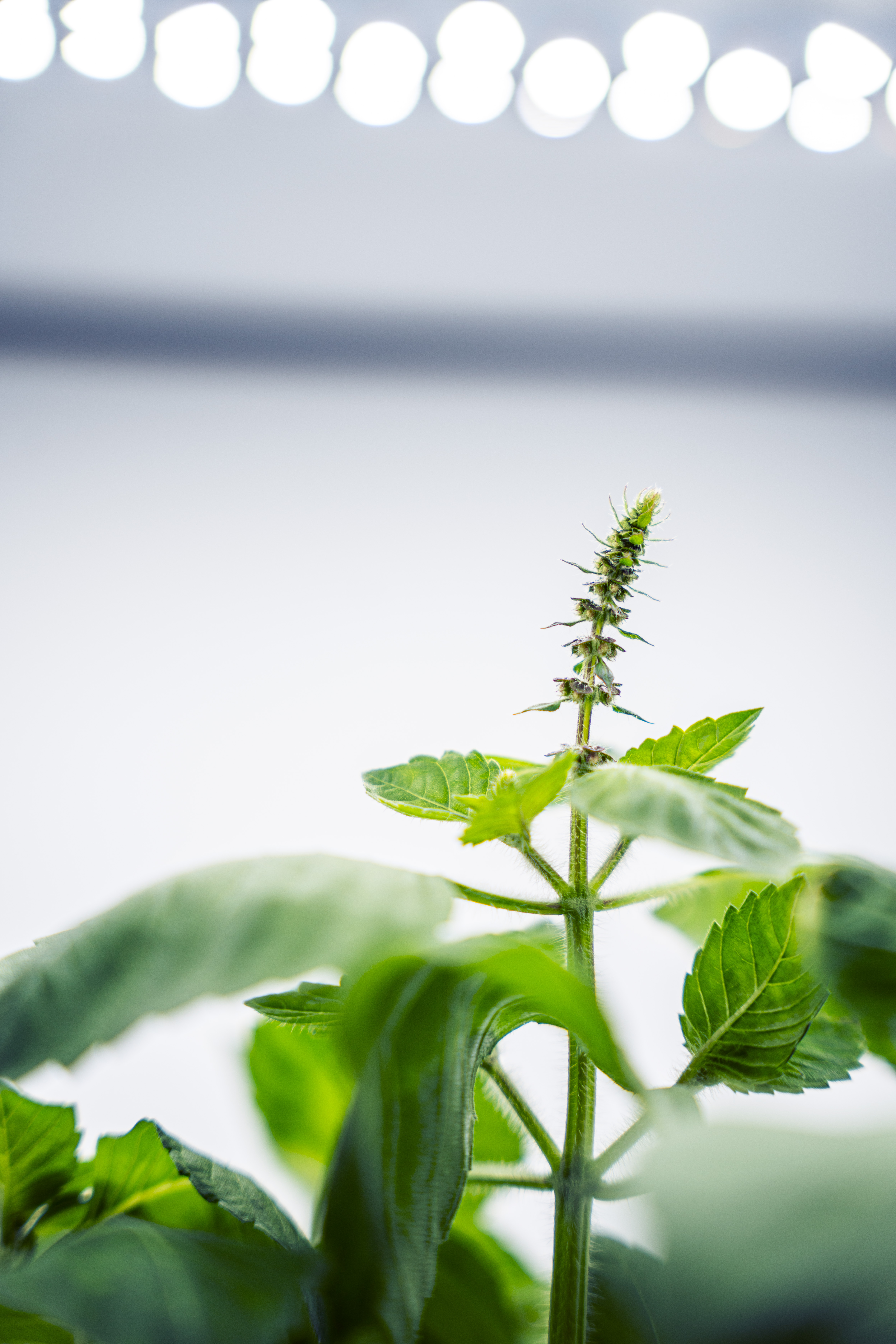

Plant Overview
Ocimum Tenuiflorum is one of the most frequently cited botanicals in adaptogen-related research. Its volatile terpenes (notably Eugenol) and triterpenoids (including Ursolic Acid) are evaluated in oxidative stress, inflammatory, and stress-response pathway contexts.
Together, these compounds contribute to Tulsi’s positioning as a resilience-oriented botanical. Cultivation strategy influences both volatile intensity and triterpenoid density — two variables central to adaptogen-aligned formulation development.
Evidence-based Applications
Ocimum Tenuiflorum is widely discussed in adaptogen literature and stress-response research.
Tulsi is referenced in research exploring physiological stress modulation, with Eugenol and related compounds evaluated in oxidative and inflammatory signaling pathways.
The plant’s phenolic and terpene profile is studied for antioxidant capacity—often central to adaptogen-oriented positioning.
Ursolic Acid is discussed in inflammatory pathway literature, contributing to Tulsi’s resilience-focused narrative.
Tulsi appears in research discussions around cognitive performance and mood balance, frequently framed within adaptogen and stress-related positioning.
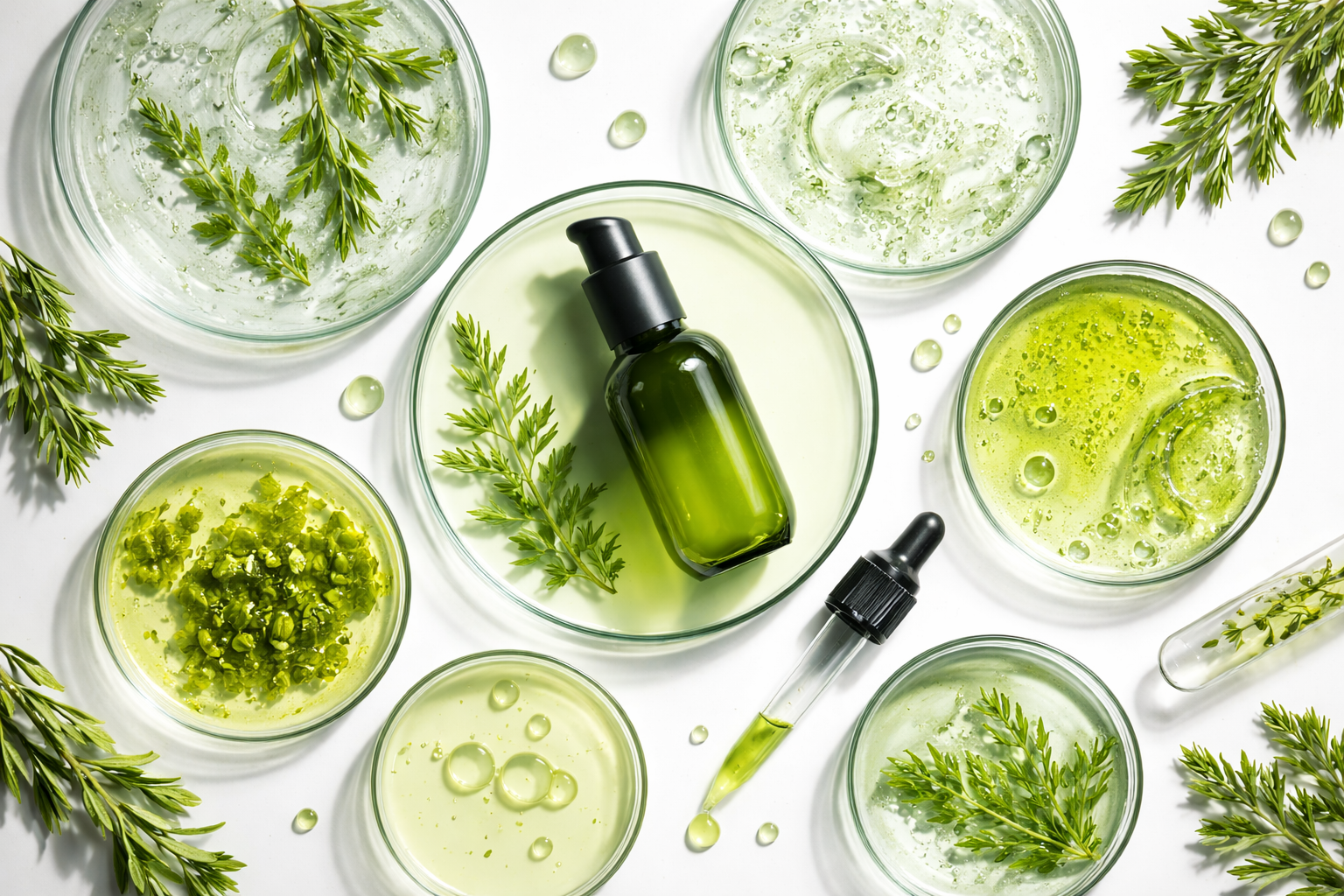
In cosmetic research, Tulsi-derived materials are explored for antioxidant and environmental stress alignment—extending adaptogen logic to topical applications.
The coordinated presence of Eugenol and Ursolic Acid contributes to Tulsi’s positioning as a stress-resilience botanical within adaptogen-related research contexts.

Key compounds
Eugenol
Eugenol is a naturally occurring aromatic compound found in Ocimum Tenuiflorum (Holy Basil/Tulsi). It contributes a warm, spicy scent and plays an important role in the plant’s characteristic aroma profile.
Beyond its sensory role, eugenol is known for its antimicrobial and soothing properties, making it relevant for cosmetic and personal care formulations focused on skin comfort and purification. For formulators, it represents a well-recognized botanical compound combining distinctive aroma with functional activity.
Ursolic Acid
Ursolic acid is a naturally occurring plant compound found in Ocimum Tenuiflorum (Holy Basil/Tulsi). It is commonly referenced in scientific literature as one of the characteristic constituents contributing to Tulsi’s bioactive profile.
In cosmetic and botanical research, Ursolic Acid is studied for its antioxidant and skin-supporting properties, making it relevant for formulations focused on skin resilience and protection. For formulators, it serves as a useful marker compound when evaluating the broader phytochemical profile of Tulsi extracts.
Quality & Consistency
What this unlocks for your products
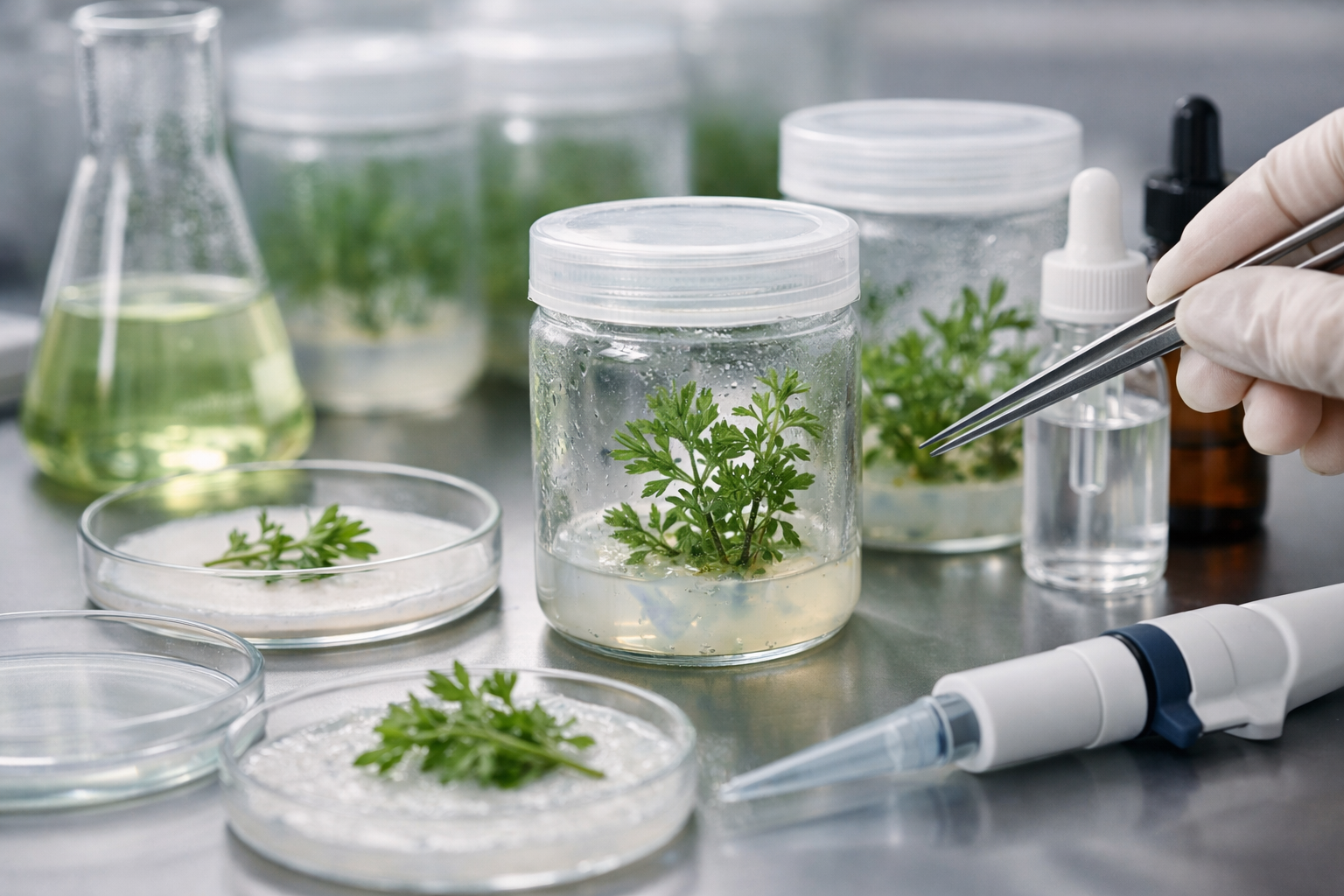
When formulation performance depends on repeatability, upstream plant control becomes a functional advantage—not a marketing narrative.
Application Snapshot

Q&A
Melissa officinalis is typically evaluated as a botanical input where chemistry profile and consistency matter—especially when teams care about repeatability across batches and clear analytical anchors. SG frames the plant for professional R&D workflows, not consumer wellness content.
For lemon balm, SG highlights rosmarinic acid (commonly discussed as a key phenolic constituent) and citral-related aroma chemistry (geranial + neral). The goal is not to overclaim effects—only to map what’s discussed in literature to a consistent plant-first production strategy.
SG is plant-first. The core is the plant material and its naturally occurring compound profile, optimized through cultivation conditions—so buyers can work with a consistent biological input rather than chasing variability.
Because environmental swings can change plant chemistry. Controlled cultivation helps reduce variability drivers, supporting more repeatable outcomes across product development and testing cycles.
Start with your target market (Cosmetics, Nutraceuticals, Pharma-adjacent research), then define what matters most: sensory profile, phenolic profile, stability expectations, documentation requirements, and preferred product format. Then request a spec sheet and align on acceptance criteria.
SG structures content to be evidence-led and professional: clear definitions, explicit scope, and claims that can be traced back to sources and documentation—designed to be readable for R&D and QA/regulatory audiences.