


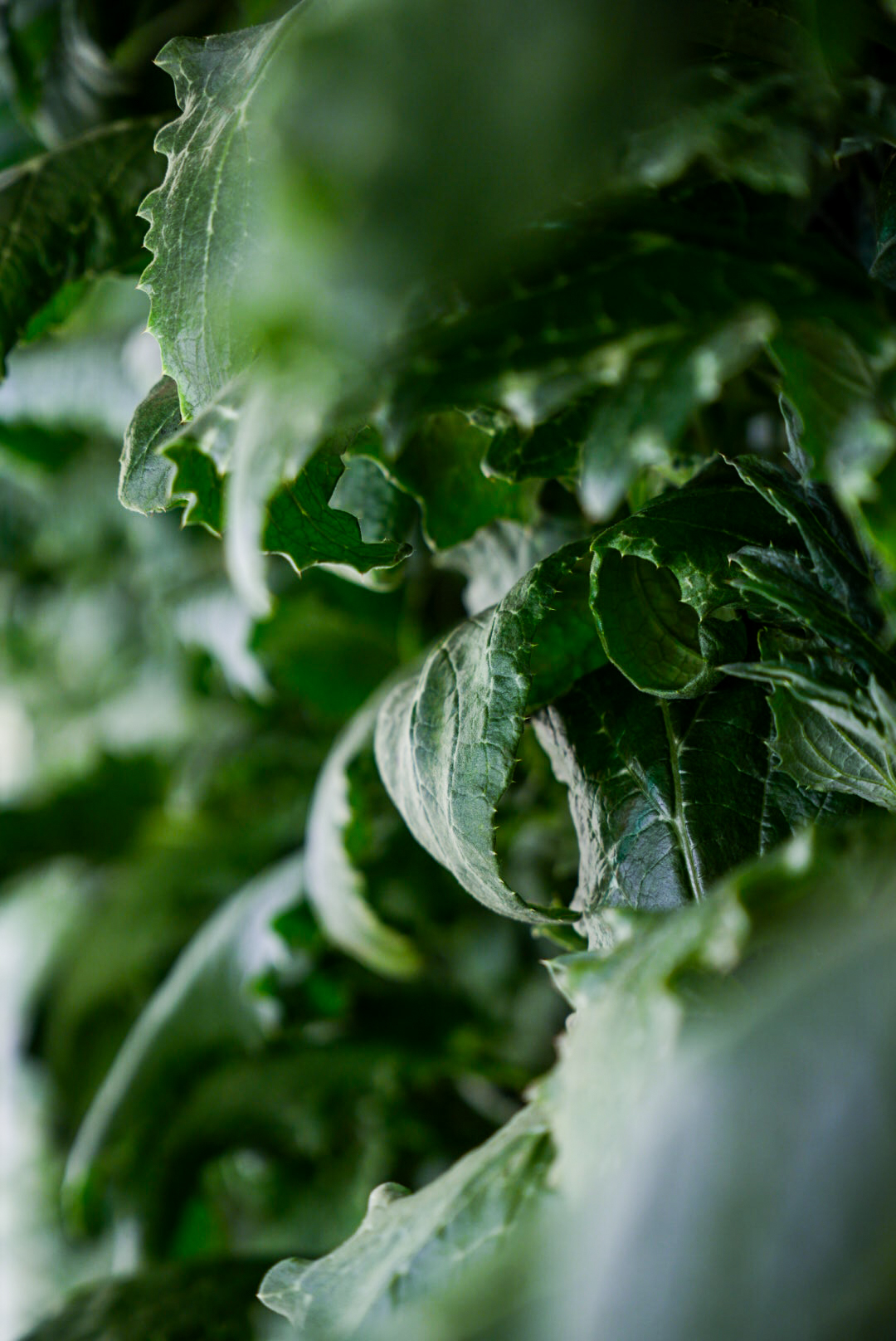
Inulin
Inulin is a plant-derived dietary fiber belonging to a group of carbohydrates known as inulin-type fructans, widely studied for their nutritional and functional properties. Best known for its prebiotic effects, it supports beneficial gut bacteria and digestive health. Because of these properties, it is widely used in nutraceuticals, functional foods, and microbiome-focused cosmetic formulations.
Markets: Nutraceuticals, Cosmetics, Pharma
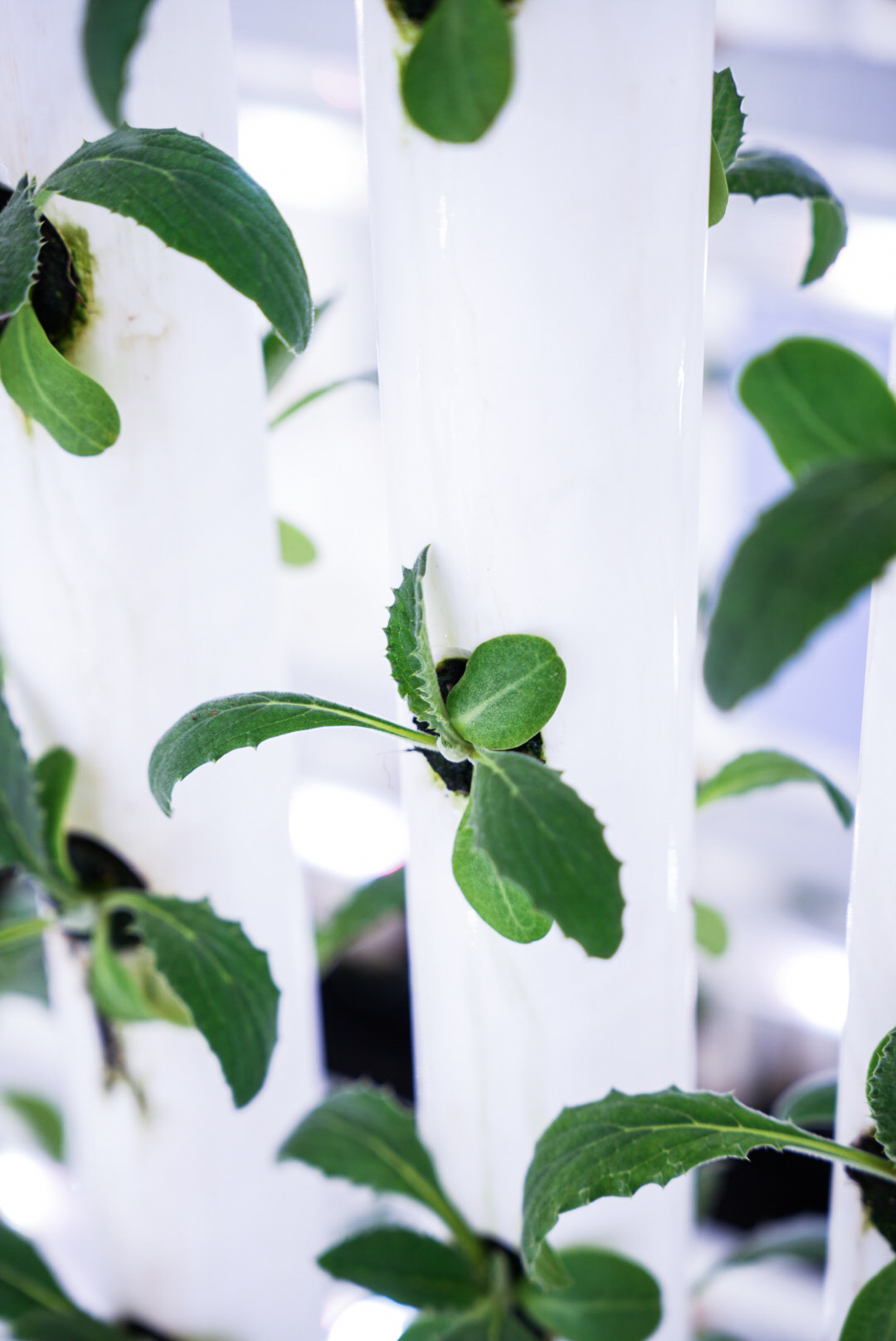
Cultivation Method: Controlled Environment Agriculture
Compound Overview
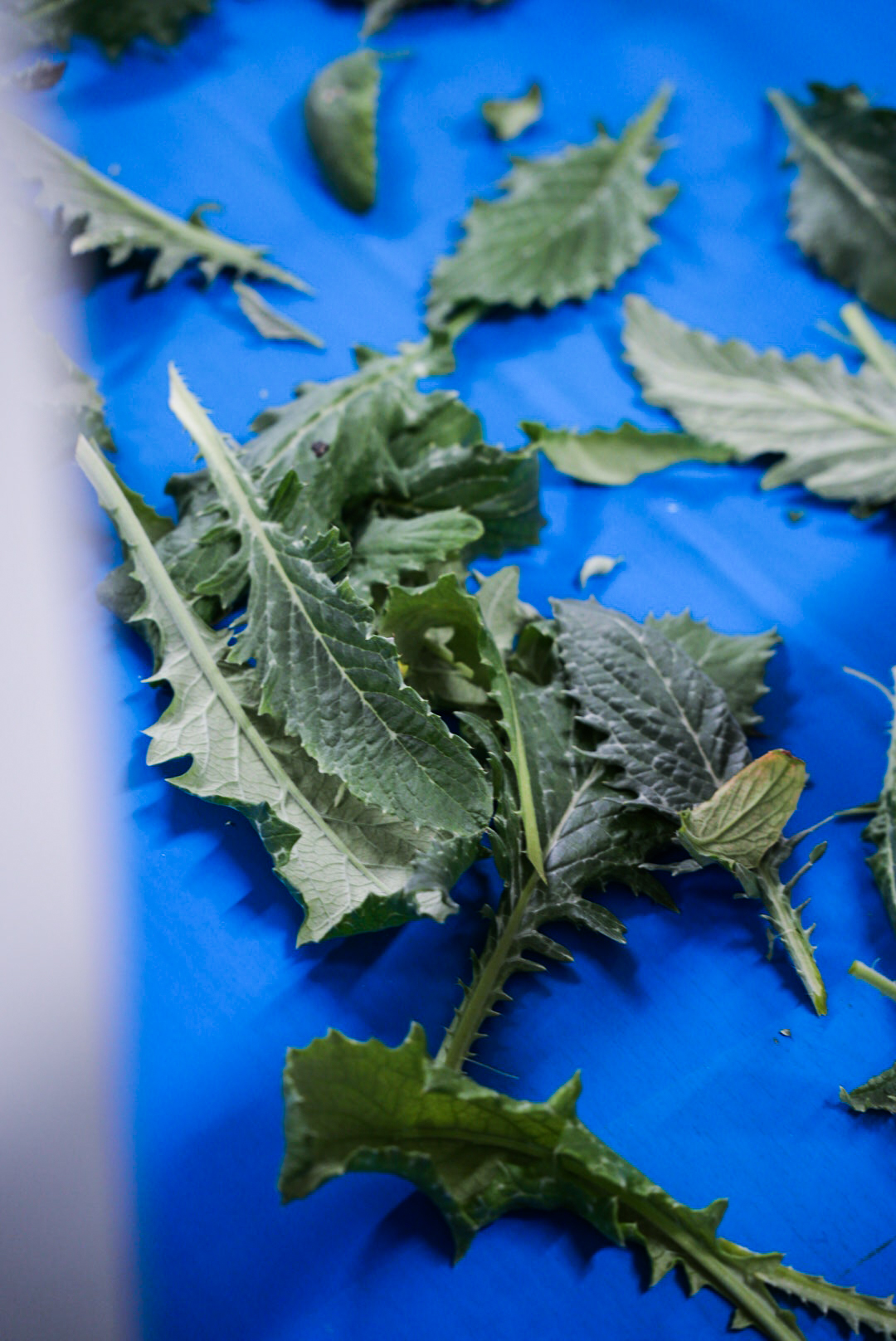
Inulin is a naturally occurring plant carbohydrate belonging to a group of dietary fibers known as fructans. It is composed of chains of fructose molecules typically ending with a glucose unit and is widely found in many plant species, including Artichoke, chicory, and other members of the asteraceae family.
In plant biology, Inulin functions as an energy storage carbohydrate. In human nutrition and product development, it is primarily valued as a prebiotic fiber that supports beneficial gut microbiota and digestive health.
Because of its functional properties, Inulin is widely used in nutraceuticals, functional foods, and dietary supplement formulations. It is also used as a texture modifier, stabilizer, and fiber source in various food and beverage products.
Evidence-backed Applications
Inulin is a naturally occurring group of fructan carbohydrates widely studied in nutritional, microbiome, and metabolic research. Scientific literature primarily focuses on its role as a prebiotic dietary fiber and its functional properties in digestion, gut microbiota modulation, and carbohydrate metabolism.
Inulin is widely studied as a prebiotic fiber that selectively stimulates beneficial gut bacteria, particularly Bifidobacterium species, influencing microbiome composition and digestive health research.
Research has explored Inulin’s role in supporting bowel function and gastrointestinal physiology through fermentation by intestinal microbiota and the production of short-chain fatty acids.
Studies have examined Inulin in the context of glucose metabolism and glycemic response, particularly as a dietary fiber influencing carbohydrate digestion and metabolic regulation.
Scientific studies have investigated Inulin’s role in supporting the intestinal absorption of minerals such as calcium and magnesium through microbiome-mediated fermentation processes.
Inulin has also been explored in research examining dietary fibers that influence satiety signaling and energy intake, contributing to studies related to appetite regulation and metabolic health.

Inulin-Type Fructans in Cynara Cardunculus
Artichoke (Cynara Cardunculus) is recognized in scientific literature as a botanical source of Inulin-type fructans, a group of storage carbohydrates whose concentration and chain length can vary depending on genetics, growth stage, and environmental conditions.
Variability can be influenced by:
- Genotype and cultivation strategy
- Growth stage and harvest window
- Light intensity and spectrum
- Temperature stability and stress exposure
- Post-harvest handling (drying, storage, extraction method)
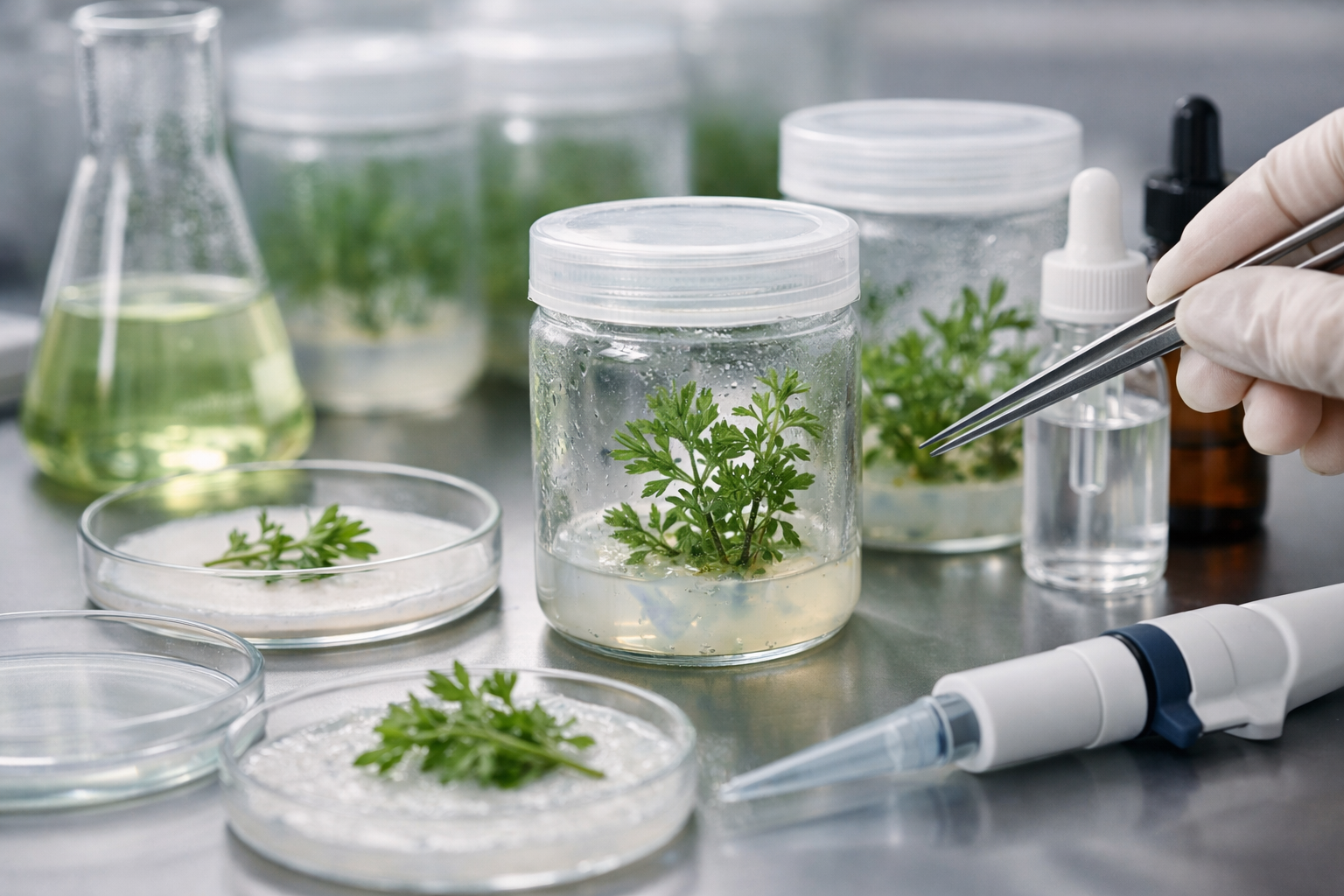
Controlled Environment Agriculture enables high potency with consistent quality batch after batch.
Why Controlled Cultivation Matters
Controlled cultivation enables:
For procurement and QA teams, this supports:
- Easier evaluation of supplier material
- Stronger documentation for audits and internal review
- More repeatable plant inputs for formulation or research pipelines
Application Snapshot

Q&A
Inulin is a group of plant-derived fructan polymers made mainly of β(2→1)-linked fructose units. It’s commonly described as a heterogeneous polymer mixture rather than a single fixed molecule.
They are related. Shorter-chain fructans are often discussed as fructo-oligosaccharides (FOS), while longer-chain fractions are commonly referred to as Inulin; the distinction is typically based on chain length (DP).
Different plant species and plant parts can produce different fructan profiles. Artichoke (Cynara Cardunculus) is specifically referenced as a source of Inulin-type fructans.
Plant carbohydrate metabolism responds to environmental conditions and growth stage. Controlled cultivation supports more repeatable conditions and clearer production records for QA and R&D comparison.
No. This page focuses on sourcing, profiling, and professional evaluation only.
This page is written for:
- R&D scientists
- Formulators / product developers
- Procurement & sourcing teams
- Regulatory & QA professionals across Nutraceuticals, Cosmetics, and Pharma-adjacent research.