

Can Artichoke Extract Improve Hair Growth? A Look at the Evidence
Quick answer
The global hair loss treatment market continues its expansion, driven by increasing consumer demand for natural, effective solutions and a growing awareness of holistic scalp health. Innovating within this competitive landscape requires ingredients with robust scientific rationales, extending beyond anecdotal evidence. This article explores the scientific basis for incorporating artichoke extract for hair growth, focusing on its phytochemical profile and potential mechanistic actions relevant for formulators.
Key Takeaways
Artichoke extract contains potent antioxidants and anti-inflammatory compounds.
Phytochemicals like cynaropicrin support scalp health and follicle function.
Vertically farmed artichoke offers consistent potency and sustainable sourcing.
Regulatory pathways support cosmetic applications focusing on scalp vitality.
The Science Behind Artichoke Extract: Antioxidants and Scalp Health
Oxidative stress and inflammation are recognized contributors to various hair disorders, including impaired hair follicle function and accelerated hair loss. Artichoke (Cynara cardunculus, formerly Cynara scolymus) extract is rich in polyphenols and flavonoids that possess significant antioxidant and anti-inflammatory properties. These bioactives can mitigate cellular damage to scalp cells and hair follicles.
A 2017 review on Cynara scolymus identified key constituents like cynaropicrin, cynarin, and various luteolin-glucosides. These compounds exert their effects through free radical scavenging and modulation of inflammatory pathways. Protecting dermal papilla cells, crucial for hair follicle regeneration, forms a core aspect of this protective mechanism, as indicated by research on antioxidants in hair disorders.
Understanding Oxidative Stress and Hair Follicle Vulnerability
Hair follicles, particularly during the anagen (growth) phase, are metabolically active and susceptible to reactive oxygen species. This vulnerability can lead to premature catagen entry and follicular miniaturization. Antioxidant interventions aim to normalize this microenvironment.
Free Radical Scavenging: Polyphenols in artichoke extract neutralize reactive oxygen and nitrogen species. This protects cellular structures from damage.
Cellular Protection: Preserving the integrity of follicular keratinocytes and dermal papilla cells is essential for sustained hair growth.
Inflammation Modulation: Chronic low-grade inflammation on the scalp can disrupt the hair growth cycle. Anti-inflammatory compounds help restore balance.
Key Antioxidant Compounds in Artichoke Extract
The biological activity of artichoke extract is primarily attributed to its synergistic blend of phytochemicals. These compounds target multiple pathways involved in scalp health.
Compound Class | Specific Examples | Primary Mechanism |
|---|---|---|
Phenolic Acids | Cynarin, Chlorogenic acid | Antioxidant, free radical scavenging |
Flavonoids | Luteolin, Luteolin-glucosides | Antioxidant, anti-inflammatory, UV protection |
Sesquiterpene Lactones | Cynaropicrin, Grosheimin | Anti-inflammatory, modulates inflammatory mediators |
Inulin-type Fructans | Inulin oligomers | Prebiotic potential, supports scalp microbiome |
How Artichoke's Phytochemicals Support Hair Follicle Function
Artichoke extract exerts its potential benefits for hair growth indirectly, by creating a healthier scalp environment conducive to follicle function rather than directly stimulating hair shaft elongation. Its rich phytochemical profile contributes to scalp microcirculation, reduces inflammation, and protects against environmental stressors. This multifunctional approach positions it as a valuable ingredient for comprehensive scalp care.
Phytochemical studies relevant to hair health emphasize the importance of compounds that can modulate the follicular environment. For instance, improved scalp microcirculation facilitates enhanced nutrient and oxygen delivery to hair follicles, a fundamental aspect of the active hair growth phase. While direct artichoke-specific evidence on microcirculation is limited, the general properties of its constituent polyphenols often extend to vascular support.
Targeting Scalp Inflammation with Cynaropicrin
Inflammation is a significant factor in many forms of hair loss, including androgenetic alopecia (AGA) and telogen effluvium. Specific components of artichoke extract actively address this.
Mechanism of Action: Cynaropicrin, a sesquiterpene lactone, has demonstrated anti-inflammatory properties. A 2022 study on cynaropicrin highlighted its ability to modulate inflammatory pathways.
Scalp Soothing: Reducing inflammation can alleviate scalp irritation, itching, and discomfort. This creates an optimal environment for hair follicle health.
Follicle Protection: Chronic inflammation can damage hair follicles, leading to miniaturization and eventual hair loss. Anti-inflammatory compounds help prevent this progression.
Enhancing Scalp Barrier Function and Nutrient Delivery
A healthy scalp barrier is crucial for protecting against external aggressors and retaining moisture. Artichoke extract's compounds can play a supportive role here.
Beyond individual bioactives, the cumulative effect of artichoke extract contributes to overall scalp vitality. This holistic approach is increasingly valued in hair care formulations aiming for comprehensive benefits. Formulators evaluating alternatives for hair health might explore artichoke extract in hair care to address underlying scalp issues.
Artichoke Extract in Hair Care Formulations: Beyond Traditional Growth Claims
Formulating with artichoke extract for hair requires a strategic approach that leverages its proven cellular protective and scalp-enhancing properties. While direct clinical claims for "hair growth stimulation" may require extensive, targeted research, its benefits for hair and scalp vitality are well-supported. The market for natural ingredients in hair care is robust, with significant projected growth for botanical extracts.
The botanical extracts market is expanding due to increasing consumer demand for clean label and scientifically-backed natural solutions. Artichoke extract addresses this demand by offering a plant-derived ingredient with multifunctional capabilities. Its role in cosmetic formulations extends beyond primary growth stimulation. For example, a patent describes artichoke usage as adding smoothness and shine to hair.
Strategic Formulation for Scalp and Hair Vitality
Positioning artichoke extract as a "scalp anti-aging" or "cellular protective" agent can resonate with modern consumer trends. This reframes the conversation from direct growth to comprehensive health.
Anti-Glycation: Some artichoke components may offer protective effects against protein glycation. This process contributes to premature aging of hair structures.
UV Protection: Flavonoids can provide a degree of protection against environmentally induced oxidative stress. This includes UV radiation, which can damage scalp skin and hair.
Barrier Support: Ingredients that maintain scalp hydration and barrier integrity contribute to overall scalp health. This indirectly supports robust hair growth.
Market Potential for Clean Label Hair Solutions
Consumer awareness of environmental stressors on hair and scalp is driving demand for antioxidant-rich ingredients. This aligns perfectly with artichoke extract's profile.
Formulation Focus | Target Benefit | Supporting Artichoke Property |
|---|---|---|
Anti-pollution Hair Care | Protects scalp/hair from environmental damage | High antioxidant content (polyphenols) |
Sensitive Scalp Treatments | Reduces irritation and redness | Anti-inflammatory action (cynaropicrin) |
Hair Strengthening Serums | Supports hair follicle resilience | Cellular protection, improved microcirculation |
Age-Defying Hair Products | Combats signs of scalp and hair aging | Antioxidant, anti-glycation potential |
Regulatory Landscape and Market Opportunities for Artichoke Hair Solutions
Navigating the regulatory landscape for botanical extracts in personal care requires a clear understanding of permissible claims and ingredient classifications. Artichoke extract (Cynara cardunculus) is generally recognized as safe (GRAS) for oral consumption by the FDA, implying a favorable safety profile for topical applications. This simplifies its integration into cosmetic formulations.
The European Food Safety Authority (EFSA) also assesses artichoke in the context of food supplements, primarily noting its digestive benefits. While neither agency provides explicit approvals for "artichoke extract for hair growth," its established safety as a botanical ingredient supports its use in cosmetic and nutraceuticals designed to support hair health. The EUDR (European Union Deforestation Regulation) further emphasizes the need for sustainable, transparent sourcing, which vertically farmed ingredients inherently provide. The market for hair care ingredients is projected to grow, especially for natural options.
Regulatory Framework for Cosmetic Ingredients
For cosmetic products, ingredients must be safe for their intended use. Artichoke extract fits within established categories.
EU Cosmetic Regulation (1223/2009): Artichoke extract (INCI name: Cynara scolymus (Artichoke) Leaf Extract) is listed in the CosIng database. It has an "Extract" function.
FDA (US): The FDA classifies ingredients based on their intended use. As a cosmetic ingredient, it falls under regulatory oversight concerning safety and labeling. "Hair growth" claims are generally treated as drug claims.
Claim Substantiation: Any claims made about the product, such as "supports scalp vitality" or "antioxidant protection," must be substantiated with scientific evidence.
Market Validation and Consumer Demand
The shift towards clean labels, natural formulations, and sustainable sourcing plays directly into the strengths of artichoke extract. Its multi-faceted benefits address diverse consumer concerns.
The EUDR, impacting 35–55% of tropical supply chains by 2027, reinforces the strategic advantage of European-sourced, vertically farmed botanicals. This ensures compliance and provides a hedge against supply chain volatility. Brands that can offer transparent, sustainably sourced active ingredients will gain a competitive edge.
Permissible Cosmetic Claims for Artichoke Extract
While direct "hair growth" claims are typically reserved for drug classifications, a range of compelling cosmetic claims can be made. These focus on scalp health, hair appearance, and protection.
Scalp Wellness Claims: "Soothes irritated scalp," "supports healthy scalp microflora," "provides antioxidant protection to the scalp."
Hair Quality Claims: "Enhances hair radiance," "improves hair smoothness," "protects hair from environmental stressors."
Indirect Growth Support Claims: "Creates an optimal environment for healthy hair growth," "promotes a balanced scalp for strong hair."
Supernormal Greens: Precision Botanical Artichoke for B2B Hair Health
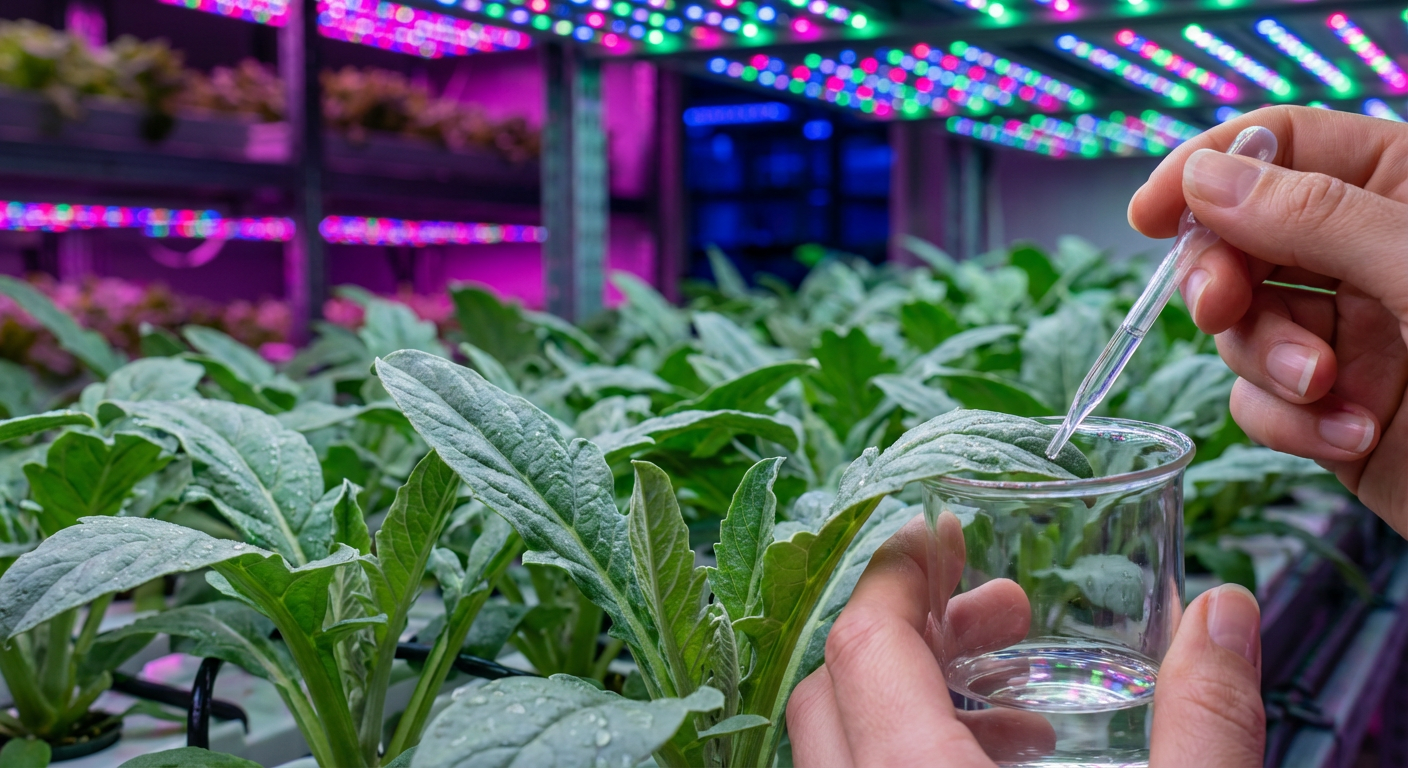
Supernormal Greens employs proprietary abiotic/biotic stress protocols to cultivate Cynara cardunculus in a controlled vertical farming environment. This cultivation method significantly upregulates secondary metabolites, ensuring a higher potency and consistent phytochemical profile compared to field-grown varieties. Our technology achieves 3–30 times higher concentrations of key bioactives, such as cynarin, cynaropicrin, and luteolin-glucosides.
This precision botanical approach provides a pharma-grade microbial cleanliness and zero pesticide residue. Full European traceability is guaranteed. Independent analysis by CTAEX lab in 2025 substantiates these claims, demonstrating the enhanced potency of our vertically farmed artichoke extract.
Enhanced Phytochemical Profile through Xenohormesis
Our stress induction techniques (UV-B, drought, MeJA, salinity, elicitors) mimic natural environmental pressures. This triggers robust defense mechanisms within the plant.
Cynarin & Chlorogenic Acid: Key phenolic compounds offering antioxidant benefits.
Luteolin-Glucosides: Flavonoids contributing to antioxidant and anti-inflammatory activity.
Cynaropicrin: A sesquiterpene lactone with demonstrated anti-inflammatory properties.
Inulin-Type Fructans: Potential prebiotics, supporting a balanced scalp microbiome.
Sustainability and Supply Chain Resilience
Our closed-loop vertical farming system offers significant environmental advantages and supply chain stability. These benefits are increasingly critical for B2B buyers seeking sustainable and reliable sourcing.
Metric | Supernormal Greens (Vertical Farm) | Industry Average (Vertical Farm) | Imported (Field-Grown) |
|---|---|---|---|
CO₂-eq/kg (LCA) | 0.72 kg | 1.9 kg | 1.4 kg |
Water Usage | ~95% less than field | Significantly less | High |
Land Use | Minimal | Reduced | Extensive |
Pesticide Use | Zero | Low to zero | Conventional (often high) |
EUDR Compliance | 100% by design | Varies | Significant risk |
LCA data: Martin, 2023
Unparalleled Batch-to-Batch Consistency
The tightly controlled environment of vertical farming eliminates seasonal variations and environmental fluctuations. This results in extracts with a consistent active compound profile.
This consistency is paramount for formulators who require reliable raw materials for standardized product efficacy and regulatory compliance. Our artichoke extract provides a predictable and potent ingredient for high-value hair and scalp care applications.
Leveraging Artichoke Extract for Comprehensive Scalp and Hair Vitality
The evidence supports artichoke extract as a multifaceted ingredient for promoting overall scalp and hair vitality, rather than solely as a direct hair growth stimulant. Its strong antioxidant and anti-inflammatory properties are foundational to creating a healthy environment where hair can thrive. This positions artichoke extract as a valuable addition to formulations targeting holistic hair health.
The benefits observed in preclinical studies for protecting dermal papilla cells and mitigating oxidative stress provide a strong scientific rationale. This aligns with a growing consumer preference for products that address the root causes of hair issues, such as poor scalp health. Herbal remedies for dermatological conditions often demonstrate efficacy through modulating cellular health and inflammation.
Synergistic Potential with Other Hair Actives
Artichoke extract can be effectively combined with other known hair health ingredients to enhance overall product performance. Its foundational benefits complement targeted actives.
Targeted Combination: Pairing artichoke extract with ingredients like biotin, peptides, or plant-derived growth factors can create comprehensive formulations.
Enhanced Delivery: A healthy, uninflamed scalp is more receptive to other active ingredients.
Broad-Spectrum Protection: Artichoke extract's antioxidant profile offers protection against various environmental stressors. This aids other ingredients in maintaining their efficacy.
Applications Across Hair Care Categories
The versatility of artichoke extract allows its integration into a wide array of hair and scalp care products. From preventive solutions to restorative treatments, its benefits are broadly applicable.
Scalp Serums: Deliver concentrated antioxidants and anti-inflammatories directly to the scalp.
Shampoos & Conditioners: Incorporate for daily scalp care, protection, and shine enhancement.
Hair Masks: Provide intensive treatment to fortify follicles and improve hair fiber quality.
Leave-in Treatments: Offer continuous protection from environmental damage throughout the day.
The consistent quality and high potency of Supernormal Greens' vertically farmed artichoke extract offer formulators a reliable and sustainable source for developing next-generation hair and scalp care solutions. This provides a clear competitive advantage in a market increasingly valuing efficacy, transparency, and environmental responsibility.
Frequently Asked Questions
What specific active compounds in artichoke extract are beneficial for hair?
Artichoke extract contains compounds such as cynarin, chlorogenic acid, various luteolin-glucosides, and cynaropicrin that are beneficial for hair. These act as potent antioxidants and anti-inflammatory agents, protecting scalp cells and follicles from oxidative stress and inflammation which can impede healthy hair growth.
Are there any human clinical trials on artichoke extract for hair growth?
Currently, direct human clinical trials specifically on artichoke extract for "hair growth stimulation" are limited. The existing evidence primarily focuses on its phytochemical profile, antioxidant, and anti-inflammatory properties, which indirectly support scalp health and create an optimal environment for hair follicles.
What is the recommended concentration of artichoke extract in a topical hair product?
There is no universally established recommended concentration for artichoke extract in topical hair products specifically for hair growth. However, based on general cosmetic ingredient usage and similar botanical extracts, concentrations typically range from 0.5% to 5% of the total formulation. Specific dosage depends on the extract's potency and the desired effect.
How does vertical farming enhance the quality of artichoke extract for cosmetic use?
Vertical farming enhances extract quality by precisely controlling environmental factors (light, water, nutrients, CO₂, temperature) and applying abiotic/biotic stress protocols. This maximizes the plant's production of secondary metabolites like cynarin and cynaropicrin, leading to 3–30 times higher potency and consistent batch-to-batch quality, free from pesticides, and with pharma-grade microbial cleanliness.
Can artichoke extract be combined with other hair growth ingredients like biotin or minoxidil?
Yes, artichoke extract can be effectively combined with other hair growth ingredients. Its role is primarily supportive, improving scalp health and creating a conducive environment for hair growth. This can complement the direct actions of ingredients like biotin (for keratin structure) or minoxidil (for vasodilation and growth cycle modulation), potentially enhancing overall efficacy.
What are the typical regulatory requirements for using artichoke extract in a cosmetic formulation in the EU/US?
In the EU, artichoke extract must comply with the EU Cosmetic Regulation (1223/2009), ensuring safety and proper labeling. In the US, it is considered a cosmetic ingredient under FDA oversight, requiring safety substantiation. "Hair growth" claims are typically reserved for drug classifications, so cosmetic claims should focus on scalp health, hydration, and antioxidant protection.
What kind of marketing claims can be made for artichoke extract in hair care?
Marketing claims for artichoke extract in hair care should focus on its established benefits for scalp health and hair quality, such as "supports scalp vitality," "antioxidant protection for scalp," "helps soothe irritated scalp," "enhances hair shine," or "creates an optimal environment for healthy hair." Direct "hair growth" claims should be avoided unless supported by specific clinical drug trials.
Are there any known stability issues or challenges with formulating with artichoke extract?
Artichoke extract, like many botanical extracts, can be sensitive to oxidation and light. Formulators should consider using appropriate antioxidants and packaging (e.g., opaque containers) to maintain its stability. pH compatibility within the formulation and potential interactions with other ingredients also need to be evaluated during development.
What is the sustainability profile of vertically farmed artichoke extract?
Vertically farmed artichoke extract has a superior sustainability profile. LCA data (Martin, 2023) shows 0.72 kg CO₂-eq/kg, significantly lower than the vertical farm average (1.9 kg) and imported field-grown (1.4 kg). It uses drastically less water and land, eliminates pesticides, and is 100% EUDR-compliant by design, offering a highly sustainable sourcing solution.
How does artichoke extract's anti-inflammatory action benefit scalp conditions linked to hair loss?
Artichoke extract's anti-inflammatory compounds, particularly cynaropicrin, help mitigate chronic low-grade inflammation on the scalp. Conditions like seborrheic dermatitis or even subclinical inflammation can disrupt the hair growth cycle and damage follicles. By reducing inflammation, artichoke extract helps restore a healthier scalp environment, which is crucial for supporting robust hair growth and preventing further hair loss.
The consistent quality and high potency of Supernormal Greens' vertically farmed artichoke extract offer formulators a reliable and sustainable source for developing next-generation hair and scalp care solutions. This provides a clear competitive advantage in a market increasingly valuing efficacy, transparency, and environmental responsibility.
References
Wang, Z., et al. 2017. Cynara scolymus L.: Chemical Constituents, Biological Activities, and Health-Promoting Effects. PubMed. https://pubmed.ncbi.nlm.nih.gov/28833919/
Chen, Y., & Zhang, Y. 2021. Therapeutic Potential of Antioxidants for Hair Disorders. PMC. https://www.ncbi.nlm.nih.gov/pmc/articles/PMC8270146/
Gupta, M., & Sharma, V. 2022. Phytochemicals in the Pathophysiology of Hair Disorders: A Therapeutic Update. PMC. https://www.ncbi.nlm.nih.gov/pmc/articles/PMC9313204/
Zapata-Colindres, J.C., et al. 2022. Anti-inflammatory and Antinociceptive Properties of Cynaropicrin from Cynara scolymus L. Leaves. PubMed. https://pubmed.ncbi.nlm.nih.gov/35165682/
L'Oréal. 2012. Hair treatment composition comprising artichoke extract. Google Patents. https://patents.google.com/patent/US8288344B2/
Mordor Intelligence. 2023. Hair Care Ingredients Market Size & Share Analysis - Growth Trends & Forecasts (2024 - 2029). https://www.mordorintelligence.com/industry-reports/hair-care-ingredients-market
Ramos, A.M., et al. 2018. Herbal Medicines for Dermatological Diseases: A Review of Clinical Efficacy. PMC. https://www.ncbi.nlm.nih.gov/pmc/articles/PMC6005886/