


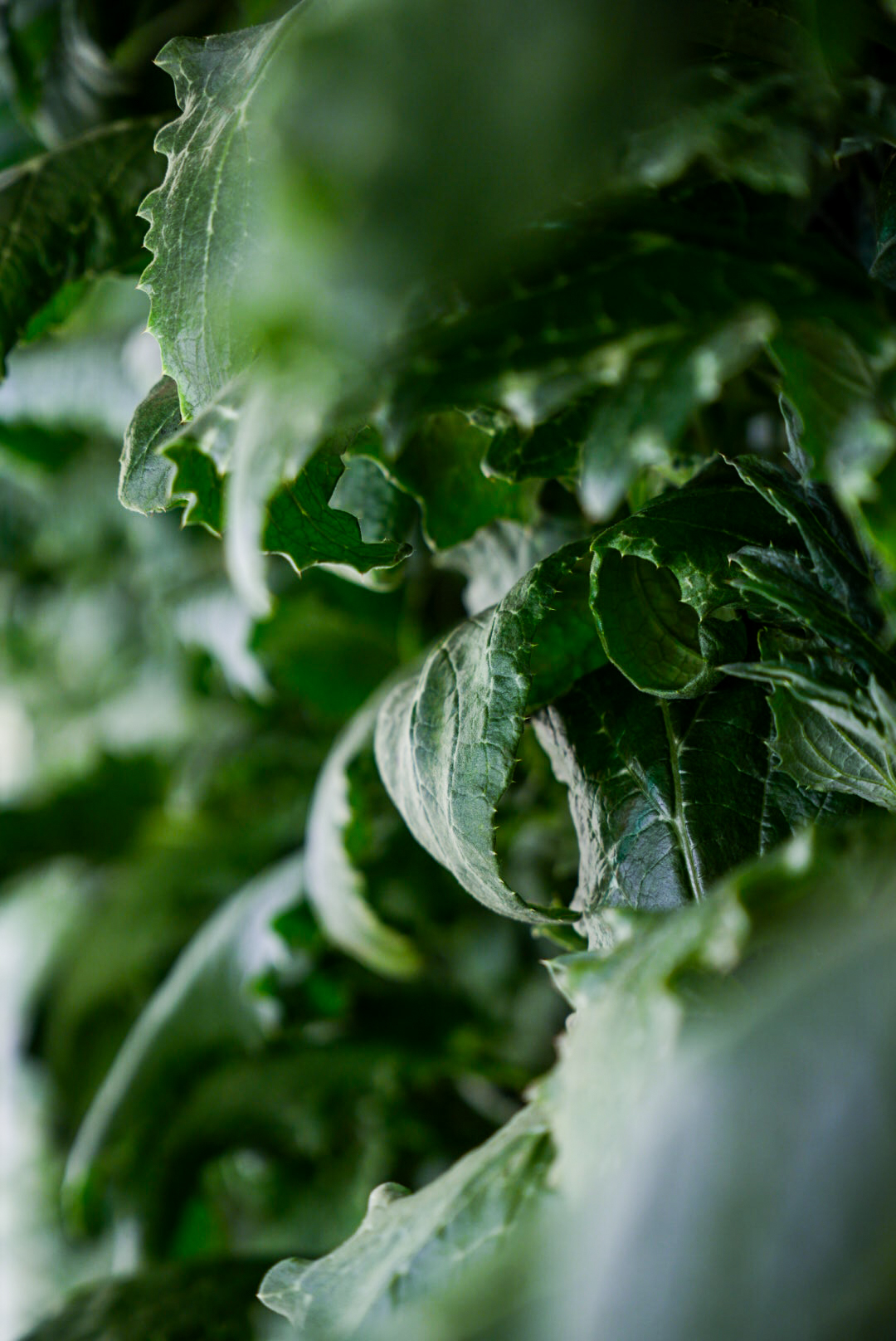
Cynarin
Cynarin is a naturally occurring polyphenolic compound classified as a dicaffeoylquinic acid. It is often discussed alongside related compounds such as chlorogenic acid. Cynarin has been studied for hepatoprotective, choleretic, antioxidant, and lipid-modulating activities, supporting its relevance in cosmetic, nutraceutical, and phytopharmaceutical research.
Markets: Cosmetics, Nutraceuticals, Pharma
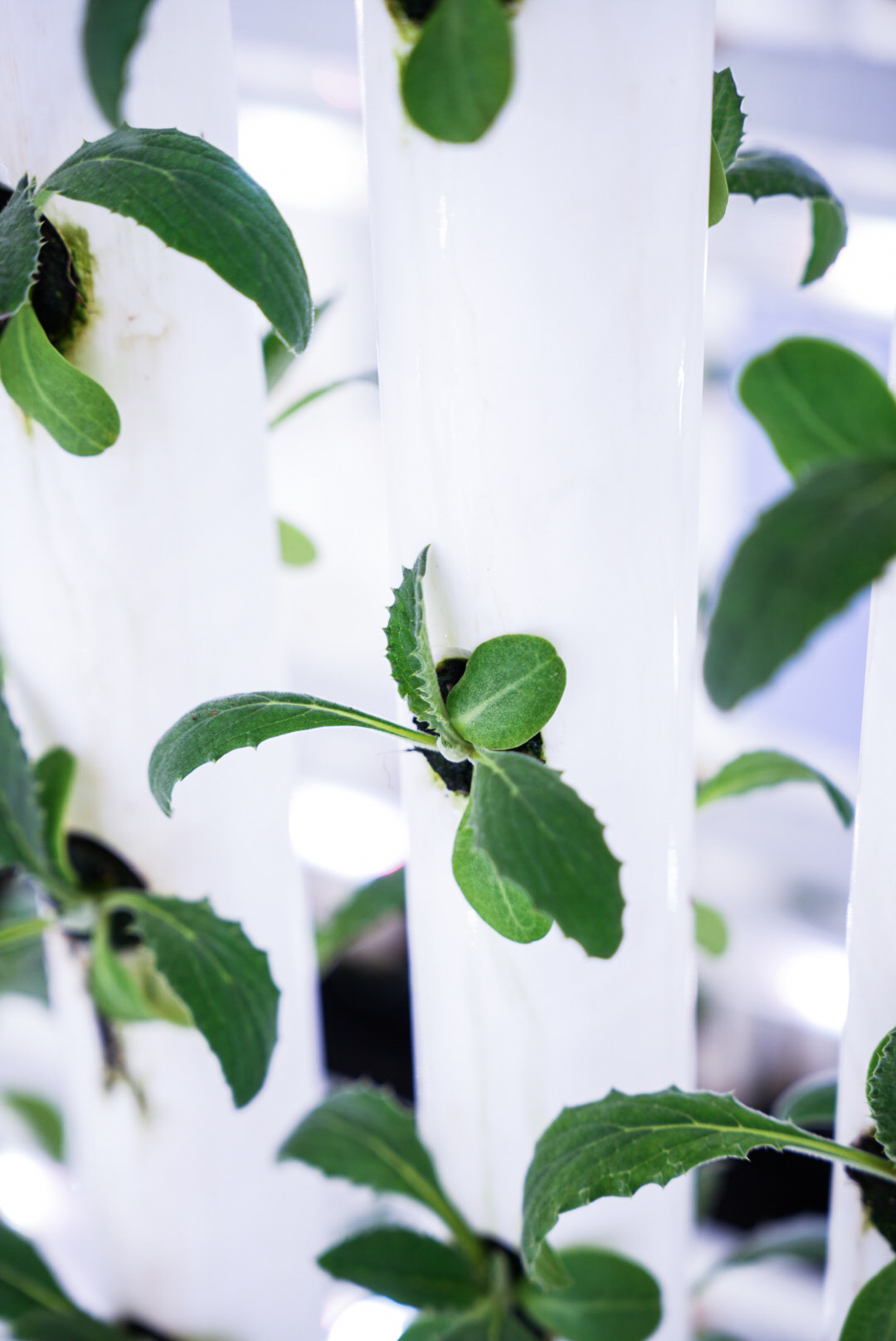
Cultivation Method: Controlled Environment Agriculture
Compound Overview
Cynarin is a naturally occurring plant polyphenol most commonly associated with Cynara Cardunculus (Artichoke). It belongs to a group of compounds known as caffeoylquinic acids and is typically described as a dicaffeoylquinic acid derivative.
The compound is widely referenced in phytochemical analyses of Artichoke and is often used as a key marker when evaluating Artichoke-derived botanical extracts. Because of its well-characterized chemical profile, Cynarin is frequently used in analytical contexts to assess extract composition and quality.
Cynarin has been studied in relation to several biological pathways, particularly those linked to liver metabolism, lipid regulation, and antioxidant activity. These research areas have contributed to the long-standing use of Artichoke extracts in nutraceutical and botanical product development.
Evidence-backed Application
Cynarin is a dicafeoylquinic acid derivative commonly associated with Artichoke (Cynara Cardunculus) and has been studied in research related to liver physiology, lipid metabolism, and antioxidant activity. Scientific literature primarily evaluates Cynarin as part of the broader polyphenol profile of Artichoke extracts.
Cynarin has been studied in the context of Artichoke extracts for its potential role in supporting bile production and liver-related metabolic pathways.
Research has explored Cynarin-containing Artichoke extracts in studies examining cholesterol metabolism and lipid regulation.
Cynarin contributes to the antioxidant activity observed in Artichoke polyphenol extracts and has been studied in relation to oxidative stress pathways.
Artichoke extracts containing Cynarin have been evaluated in studies related to digestive function, particularly in connection with bile secretion and gastrointestinal comfort.
Cynarin has also been investigated within broader research examining plant polyphenols and their potential role in metabolic and cardiovascular health pathways.

Cynarin in Cynara Cardunculus
Artichoke (Cynara Cardunculus) is recognized as a polyphenol-rich plant. Cynarin is commonly referenced as a dicafeoylquinic acid associated with artichoke extracts, whose levels can vary depending on genetics, growth stage, and cultivation conditions.
Variability can be influenced by:
- Genotype and cultivation strategy
- Growth stage and harvest window
- Light intensity and spectrum
- Temperature stability and stress exposure
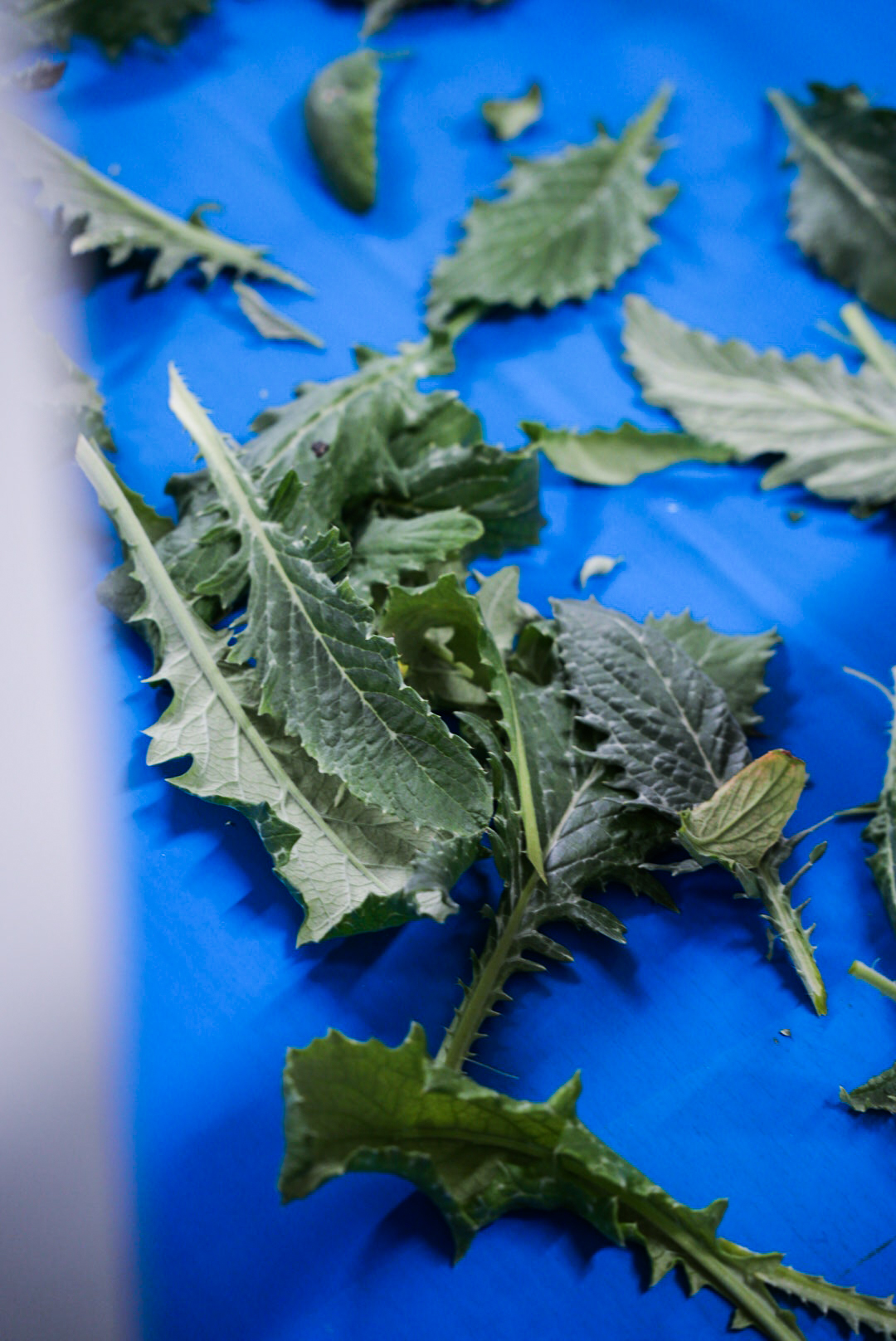
- Post-harvest handling (drying, storage, extraction method)
Controlled Environment Agriculture enables high potency with consistent quality batch after batch.
Why Controlled Cultivation Matters
Controlled cultivation enables:
For procurement and QA teams, this supports:
- Easier evaluation of supplier material
- Stronger documentation for audits and internal review
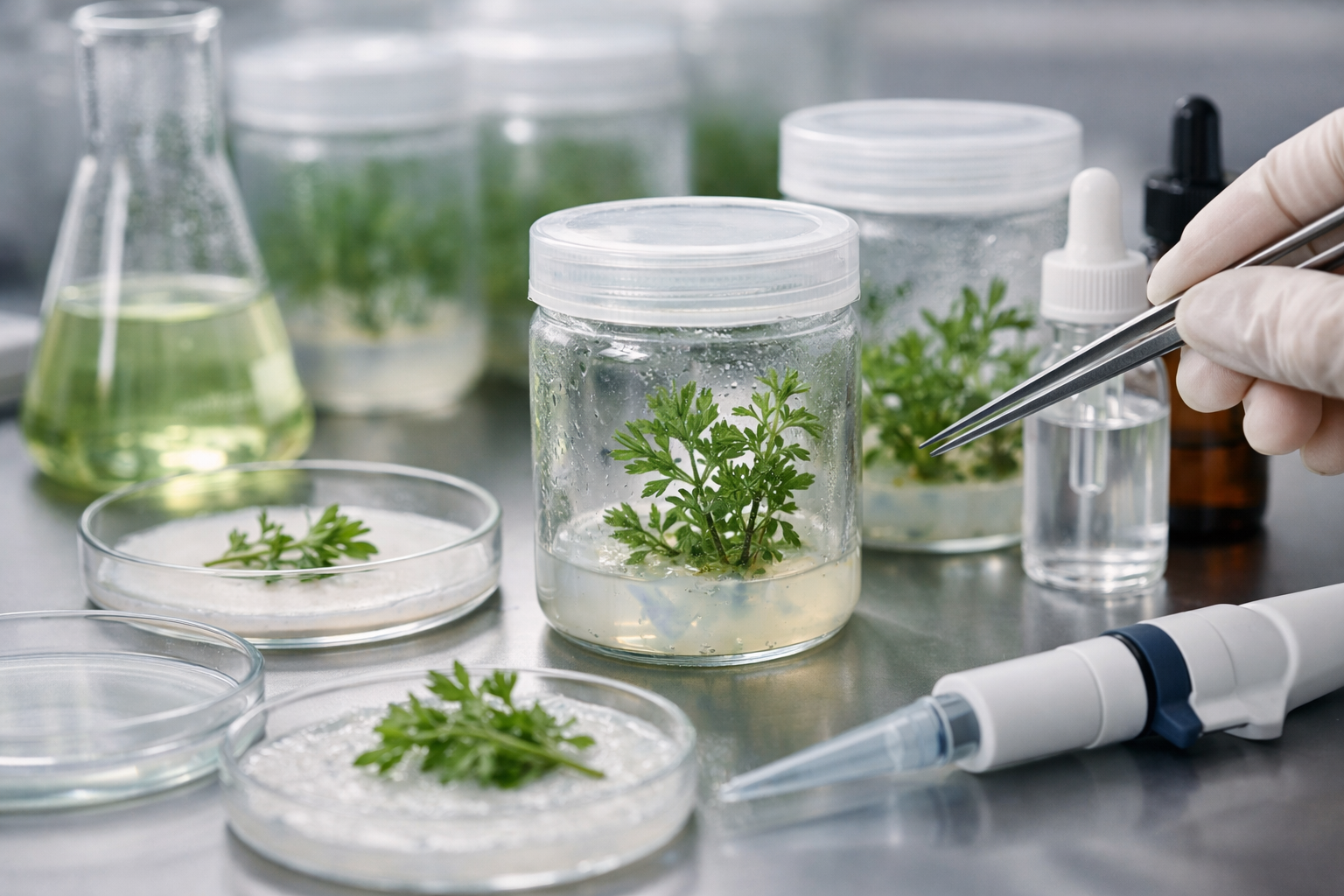
- More repeatable plant inputs for formulation or research pipelines
Application Snapshot


Q&A
Cynarin (also called cynarine) is a polyphenolic compound associated with Cynara Cardunculus (Artichoke), commonly referenced as a dicaffeoylquinic acid derivative in scientific and analytical contexts.
Cynarin is associated with Cynara Cardunculus (Artichoke) and is discussed within the broader polyphenol profile of Cynara species.
Secondary metabolite profiles can vary based on genotype, growth stage, light, and environmental stress. Controlled cultivation supports more repeatable profiles and clearer documentation.
In practice, Cynarin is often evaluated as part of a broader botanical profile (multiple phenolics), especially when teams work with plant material rather than isolated standards.
No. This page focuses on sourcing, profiling, and professional evaluation only.