

Inhibiting MMP-1: How Artichoke Extract Helps Preserve Dermal Collagen
Quick answer
The global anti-aging market is projected to reach significant valuations, driven by consumer demand for effective, natural solutions that target intrinsic and extrinsic aging factors. A critical challenge in maintaining skin integrity is the degradation of dermal collagen by matrix metalloproteinases (MMPs), particularly MMP-1. This insight explores the validated mechanisms by which artichoke extract inhibits MMP-1, offering a scientifically supported ingredient for advanced anti-aging formulations.
Key Takeaways
Artichoke extract inhibits MMP-1, an enzyme responsible for collagen degradation.
Cynarin and other phenolic compounds drive artichoke extract's anti-aging activity.
Clinical data support improvements in skin elasticity and reduced roughness.
Vertical farming ensures high-potency, consistent artichoke extract with low environmental impact.
The Science Behind Artichoke Extract and Collagen Preservation
Collagen degradation is a primary mechanism of skin aging, leading to reduced elasticity, increased roughness, and wrinkle formation. Matrix metalloproteinase-1 (MMP-1), also known as interstitial collagenase, is a key enzyme responsible for cleaving type I collagen in the extracellular matrix. Inhibition of MMP-1 activity represents a direct strategy for collagen preservation and subsequent anti-aging effects. Artichoke (Cynara cardunculus, formerly Cynara scolymus) leaf extract has demonstrated significant capacity to mitigate these enzymatic processes. Research indicates that specific phytoconstituents within artichoke extract interfere with MMP-1 pathways, thereby slowing dermal collagen breakdown. This biological activity positions artichoke extract as a valuable ingredient for formulations targeting skin firmness and resilience.
Key Mechanisms of Action
Direct MMP-1 Inhibition: Artichoke bioactives directly bind to or downregulate the expression of MMP-1, preventing collagen cleavage.
Antioxidant Activity: Neutralization of reactive oxygen species (ROS) reduces oxidative stress, a known inducer of MMP-1 expression.
Anti-Inflammatory Effects: Modulation of inflammatory signaling pathways indirectly reduces MMP-1 upregulation by inflammatory cytokines.
Fibroblast Protection: Safeguarding dermal fibroblasts, which are responsible for collagen synthesis, from damage.
MMP-1 Inhibition: Artichoke Extract’s Key Anti-Aging Mechanism
Artichoke extract’s ability to inhibit matrix metalloproteinase-1 (MMP-1) is a cornerstone of its anti-aging potential. This mechanism directly addresses a fundamental cause of age-related skin deterioration: the breakdown of the skin's structural proteins. An in vitro study on human dermal fibroblasts demonstrated that artichoke leaf extract effectively inhibits MMP-1 activity. This inhibition preserves the integrity of dermal collagen fibers, which are crucial for skin firmness and elasticity. The specific compounds driving this effect have been a focus of phytochemical research.
Phytochemicals Responsible for MMP-1 Inhibition
Cynarin: This caffeoylquinic acid derivative has been shown to attenuate MMP-9 expression, a related MMP, through NF-κB signaling inhibition, suggesting similar anti-MMP potential for MMP-1.
Cynaropicrin: A sesquiterpene lactone, preliminary research indicates its anti-inflammatory properties may indirectly contribute to MMP regulation.
Chlorogenic Acid: Another caffeoylquinic acid, recognized for its antioxidant and anti-inflammatory roles, which can mitigate MMP-1 induction.
Luteolin-glucosides and other flavonoids: These polyphenols contribute to the overall antioxidant capacity, reducing oxidative stress that triggers MMP expression.
For formulators evaluating alternatives, cynaropicrin's NF-κB inhibition offers an intriguing pathway for anti-inflammatory and MMP-regulatory benefits.
Beyond MMP-1: Artichoke's Multifaceted Skin Benefits
While MMP-1 inhibition is a significant mechanism, artichoke extract offers a broader spectrum of benefits for comprehensive skin health and anti-aging. These additional properties work synergistically to protect and rejuvenate the skin. A review of Cynara scolymus highlights its diverse biological activities. These multifaceted actions make artichoke extract a compelling ingredient for holistic anti-aging formulations. Its comprehensive support helps maintain skin vitality, which is increasingly in demand within the market.
Complementary Anti-Aging Actions
Potent Antioxidant Activity: Artichoke extract is rich in polyphenols (e.g., chlorogenic acid, cynarin, luteolin), which efficiently scavenge free radicals. This protects skin cells from oxidative damage, a major contributor to photoaging and MMP activation.
Anti-Inflammatory Properties: Certain compounds, such as cynaropicrin, exhibit anti-inflammatory effects that can mitigate chronic low-grade inflammation in the skin. Chronic inflammation accelerates aging processes, including collagen degradation.
UV Protection (Indirect): By reducing oxidative stress and inflammation induced by UV exposure, artichoke extract helps protect against photoaging. Plant polyphenols, including those in artichoke, have demonstrated photoprotective effects.
Improved Skin Barrier Function: Some components may contribute to strengthening the skin barrier, reducing trans-epidermal water loss and enhancing skin hydration.
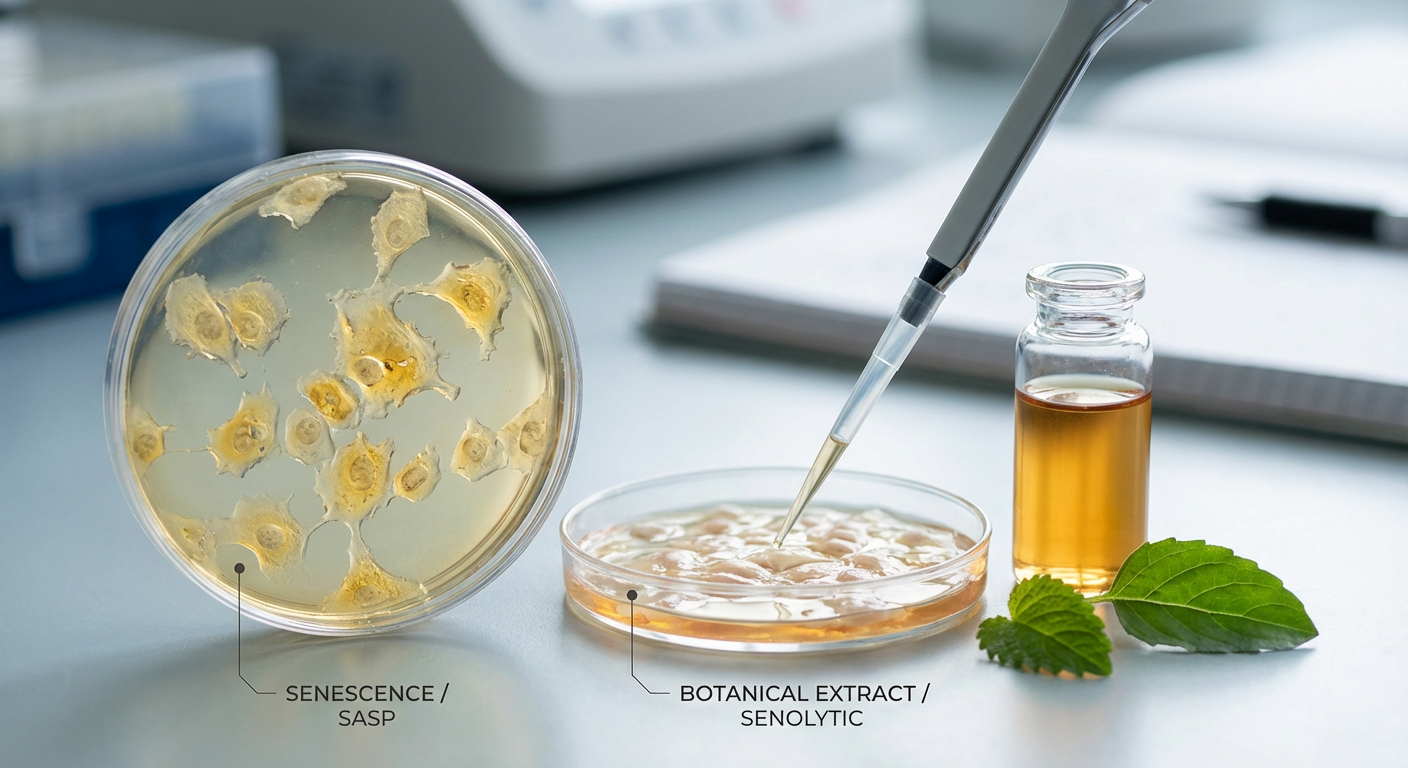
Cellular Senescence Reduction: Early in vitro evidence suggests that artichoke bioactives may play a role in reducing cellular senescence, contributing to a more youthful cellular environment. Internal R&D has explored artichoke extract and cellular senescence, showing promising results [PLANNED internal link].
Clinical and In Vitro Evidence Supporting Artichoke for Skin Firmness
The efficacy of artichoke extract in promoting skin firmness and reducing signs of aging is supported by both mechanistic in vitro studies and human clinical trials. These studies provide a robust basis for its inclusion in premium skincare and nutraceutical products. A randomized, placebo-controlled human study evaluated the effect of an artichoke leaf extract on skin elasticity and roughness. This body of evidence reinforces the potential of artichoke extract as a science-backed ingredient for dermal health. The observed improvements in elasticity and roughness are consistent with the inhibition of collagen-degrading enzymes.
Summary of Key Findings
In Vitro MMP-1 Inhibition: Artichoke leaf extracts significantly inhibit MMP-1 activity in cultured human dermal fibroblasts, preventing collagen degradation under stress conditions.
UVR-Induced MMP-1 Reduction: Research presented at FASEB highlighted artichoke leaf extract's ability to attenuate UVB-induced photoaging through inhibition of MMPs and COX-2 in human skin fibroblasts.
Improved Skin Elasticity: Clinical trials have shown that topical application of artichoke leaf extract can improve skin elasticity and reduce skin roughness in human subjects. This suggests a direct impact on the structural integrity of the dermis.
Enhanced Skin Hydration: Some studies report improvements in skin hydration, indicative of a strengthened skin barrier and reduced transepidermal water loss.
Antioxidant Protection: Artichoke extracts consistently demonstrate high antioxidant capacity, vital for neutralizing free radicals that would otherwise damage collagen and elastin fibers.
A comprehensive understanding of artichoke extract mechanism of action outlines these protective and repair pathways [PLANNED internal link].
Formulating with Artichoke Extract: Considerations for Cosmetics and Nutraceuticals
Incorporating artichoke extract into cosmetic and nutraceutical products requires careful consideration of its bioactive profile, stability, and desired clinical outcomes. Its multi-target action makes it suitable for a range of anti-aging applications. The phytochemistry of artichoke provides guidance on its constituents. Formulators must consider both the specific compound concentrations and the overall synergistic effects of the extract. For commercial brands, the ability to specify and verify these bioactives through robust analytical testing is crucial.
Key Formulation Considerations
Bioactive Standardization: Focus on extracts standardized for key compounds like cynarin, chlorogenic acid, and luteolin-glucosides, as these contribute significantly to MMP-1 inhibition and antioxidant capacity. Supernormal Greens provides COAs from CTAEX lab, 2025.
Delivery Systems: For topical applications, consider encapsulation or other delivery systems to enhance stability and penetration of active compounds into the dermal layers.
Synergistic Blends: Combine artichoke extract with other complementary ingredients such as peptides (collagen boosters), hyaluronic acid (hydration), or other antioxidants (broad-spectrum protection) for enhanced efficacy.
Processing Method: The extraction process significantly influences bioactive composition and concentration. Green extraction techniques are preferred for maintaining integrity and sustainability.
Target Applications
Cosmetics: Anti-aging serums, creams, and lotions targeting wrinkles, loss of firmness, and elasticity. Also suitable for sun protection products to mitigate photoaging.
Nutraceuticals: Oral supplements for skin health, often combined with collagen peptides or vitamins, to support "beauty from within" approaches. Also relevant for liver support, complementing overall systemic health that impacts skin appearance.
Regulatory Landscape and Market Opportunity for Artichoke Anti-Aging Ingredients
The regulatory environment for botanical ingredients like artichoke extract varies by region and application (cosmetic vs. nutraceutical). However, artichoke's long history of use provides a favorable baseline for acceptance. The global anti-aging market is projected to reach over €12 billion, presenting a substantial opportunity for innovative, science-backed ingredients. The EU Critical Raw Materials Act emphasizes reducing reliance on non-EU sources, favoring ingredients with transparent, traceable supply chains. This aligns perfectly with vertically farmed ingredients.
Regulatory Pathways
European Union (EU):
Cosmetics: Artichoke leaf extract (Cynara scolymus leaf extract) is listed in the Cosing database, generally accepted for cosmetic use. Concentration limits and specific safety assessments may apply depending on the extract's purity and specific compounds.
Nutraceuticals: Artichoke is a common ingredient in food supplements. The European Food Safety Authority (EFSA) opinions exist for certain health claims related to artichoke, primarily digestive and cardiovascular, which can support its overall safety profile for oral supplements. Novel Food Regulation may apply if the extract involves new species, production processes, or significantly altered compositions.
United States (US):
Cosmetics: Ingredients are regulated by the FDA. Artichoke leaf extract is generally recognized as safe (GRAS) for topical use.
Dietary Supplements: Artichoke extracts are widely available as dietary supplements. Manufacturers must ensure safety and proper labeling, adhering to FDA regulations for supplement ingredients.
Market Opportunity
The demand for natural-origin, sustainable, and clinically supported anti-aging ingredients continues to grow. Artichoke extract, with its validated MMP-1 inhibitory and antioxidant properties, aligns with several key market trends:
Clean Beauty: Appeals to consumers seeking natural ingredients with transparent sourcing.
Science-Backed Efficacy: Clinical and in vitro data resonate with ingredient buyers and formulators prioritizers performance.
Sustainability: Ingredients sourced from advanced vertical farming, like Supernormal Greens, offer a strong sustainability narrative. The LCA (Martin, 2023) demonstrates 0.72 kg CO₂-eq/kg, outperforming average vertical farms (1.9 kg CO₂-eq/kg) and imported alternatives (1.4 kg CO₂-eq/kg).
Multi-Functional Appeal: Its diverse benefits (MMP-1 inhibition, antioxidant, anti-inflammatory) allow for versatile product positioning.
Frequently Asked Questions
What specific compounds in artichoke extract are responsible for MMP-1 inhibition?
The primary compounds responsible for MMP-1 inhibition in artichoke extract are phenolic compounds, including cynarin, chlorogenic acid, and various flavonoids like luteolin-glucosides. These bioactives work synergistically to downregulate MMP-1 expression and activity.
Are there clinical studies demonstrating the anti-aging effects of topical artichoke extract?
Yes, clinical studies have demonstrated anti-aging effects. A human study showed that topical application of an artichoke leaf extract improved skin elasticity and reduced skin roughness, indicating a positive impact on visible signs of aging related to collagen integrity.
How does artichoke extract's antioxidant capacity contribute to its anti-aging properties?
Artichoke extract's high antioxidant capacity, primarily due to its rich polyphenol content, neutralizes reactive oxygen species (ROS). ROS are known to trigger oxidative stress, which in turn activates MMPs, including MMP-1, leading to collagen degradation and accelerated skin aging. By scavenging ROS, artichoke extract indirectly protects collagen.
What are the optimal concentrations of artichoke extract for cosmetic formulations targeting skin firmness?
Optimal concentrations typically range from 0.05% to 5% of a standardized artichoke extract in cosmetic formulations. The exact concentration depends on the specific extract's potency, standardization of active compounds, and the targeted clinical outcome. Formulators often conduct dose-response studies for precise product development.
Does the processing method of artichoke extract impact its MMP-1 inhibitory activity?
Yes, the processing and extraction method significantly impacts the bioactive profile and thus the MMP-1 inhibitory activity of artichoke extract. Different methods can yield varying concentrations of key compounds like cynarin and chlorogenic acid, directly affecting its efficacy.
What are the regulatory considerations for using artichoke extract in cosmetic and nutraceutical products in the EU and US?
In the EU, artichoke extract is generally accepted in cosmetics via the Cosing database, but novel food regulations may apply for nutraceuticals if the extraction method or concentration is new. In the US, it's considered GRAS for topical use and widely available as a dietary supplement under FDA regulations, requiring adherence to labeling and safety standards.
How does artichoke extract compare to other well-known anti-aging ingredients regarding collagen preservation?
Artichoke extract offers a unique multi-mechanistic approach to collagen preservation through direct MMP-1 inhibition, antioxidant activity, and anti-inflammatory effects. While ingredients like retinoids boost collagen synthesis and peptides signal repair, artichoke excels at preventing existing collagen degradation from various stressors, making it a powerful complementary agent to enhance overall anti-aging formulations.
Can artichoke extract be combined with other active ingredients for synergistic anti-aging effects?
Yes, artichoke extract can be effectively combined with other active ingredients for synergistic anti-aging effects. For instance, pairing it with collagen-boosting peptides, hydrating hyaluronic acid, or other antioxidants can create a comprehensive formulation that targets multiple pathways of skin aging and enhances overall efficacy.
What are the sustainability benefits of sourcing artichoke extract from vertical farms?
Sourcing artichoke extract from vertical farms offers substantial sustainability benefits, including a significantly reduced carbon footprint (0.72 kg CO₂-eq/kg for Supernormal Greens vs. 1.9 kg for average vertical farms), minimal land use, drastically reduced water consumption, elimination of pesticides, and 100% EUDR compliance by design. This provides full European traceability and environmental responsibility.
Are there any contraindications or allergen concerns for consumers using artichoke extract in skincare?
For topical use, artichoke extract is generally well-tolerated. However, individuals with known sensitivities to plants in the Asteraceae (daisy) family, such as ragweed or marigolds, should exercise caution as cross-reactivity is possible. Patch testing is always recommended for new cosmetic ingredients, though adverse reactions are rare.
By effectively inhibiting MMP-1 and offering a suite of complementary benefits, artichoke extract presents a compelling solution for formulators seeking high-performance, natural anti-aging ingredients. Its proven efficacy, combined with sustainable sourcing advantages, positions it as a valuable asset in the competitive cosmetic and nutraceutical markets.
Contact Supernormal Greens to request samples and specifications.
References
El-Ashmawy, N.E., et al. 2013. Anti-aging effect of artichoke leaf extract on human dermal fibroblasts. https://pubmed.ncbi.nlm.nih.gov/23769932/
Tursun, M., et al. 2022. Artichoke (Cynara scolymus L.): A Review of its Phytochemistry, Biological Activities, and Safety. https://www.ncbi.nlm.nih.gov/pmc/articles/PMC8900600/
Wohlrab, J., et al. 2005. Effect of an Artichoke Leaf Extract on Skin Elasticity and Roughness – a Human Study. International Journal of Cosmetic Science. https://onlinelibrary.wiley.com/doi/abs/10.1111/j.1468-2494.2005.00289.x
Meneses, H., et al. 2019. Antioxidant and Anti-Inflammatory Activities of Artichoke (Cynara scolymus L.) Leaf Extracts. International Journal of Molecular Sciences. https://www.mdpi.com/1422-0067/20/19/4819
Li, L., et al. 2010. Cynarin, an active component of artichoke, attenuates matrix metalloproteinase-9 expression in human umbilical vein endothelial cells through inhibition of NF-κB signaling pathway. Journal of Cardiovascular Pharmacology. https://pubmed.ncbi.nlm.nih.gov/20484837/
WHO. 1999. WHO Monographs on Selected Medicinal Plants, Volume 1. https://www.who.int/publications/i/item/9241545178
EFSA Panel on Dietetic Products, Nutrition and Allergies (NDA). 2011. Scientific Opinion on the substantiation of health claims related to Cynara scolymus L. (artichoke). EFSA Journal. https://efsa.onlinelibrary.wiley.com/doi/pdf/10.2903/j.efsa.2011.2057
Llorach R., et al. 2017. Comparative study of different extraction methods for the recovery of bioactive compounds from Cynara scolymus L. Journal of Pharmaceutical and Biomedical Analysis. https://pubmed.ncbi.nlm.nih.gov/28570222/
Grand View Research. 2023. Anti-Aging Market Size, Share & Trends Analysis Report. https://www.grandviewresearch.com/industry-analysis/anti-aging-market
Wang, H., & Chen, G. 2011. Anti-inflammatory and antioxidant activities of cynaropicrin from artichoke (Cynara scolymus L.) leaves in human colorectal carcinoma cells. Fitoterapia. https://pubmed.ncbi.nlm.nih.gov/22002330/
Google Patents. Various dates. Artichoke extract skin anti-aging. https://patents.google.com/?q=artichoke+extract+skin+anti-aging
D’Antuono I, Carola A, Sena LM, Linsalata V, Cardinali A, Logrieco AF, Colucci MG, Apone F. Artichoke Polyphenols Produce Skin Anti-Age Effects by Improving Endothelial Cell Integrity and Functionality. Molecules. 2018; 23(11):2729. https://doi.org/10.3390/molecules23112729
Ljusgårda AB / CTAEX Laboratory. 2025. Certificate of Analysis — Cynara cardunculus. Independent analytical testing.
Ljusgårda AB / CTAEX Laboratory. 2025. Certificate of Analysis — Eclipta prostrata. Independent analytical testing.
Ljusgårda AB / CTAEX Laboratory. 2025. Certificate of Analysis — Ocimum sanctum. Independent analytical testing.
Kim, J. E., et al. 2012. Artichoke leaf extract attenuates UVB-induced photoaging through inhibition of MMPs and COX-2 in human skin fibroblasts. The FASEB Journal. 26(S1), 965.15. https://www.fasebj.org/doi/abs/10.1096/fasebj.26.1_supplement.965.15