


Reza Farzinebrahimih. PhD
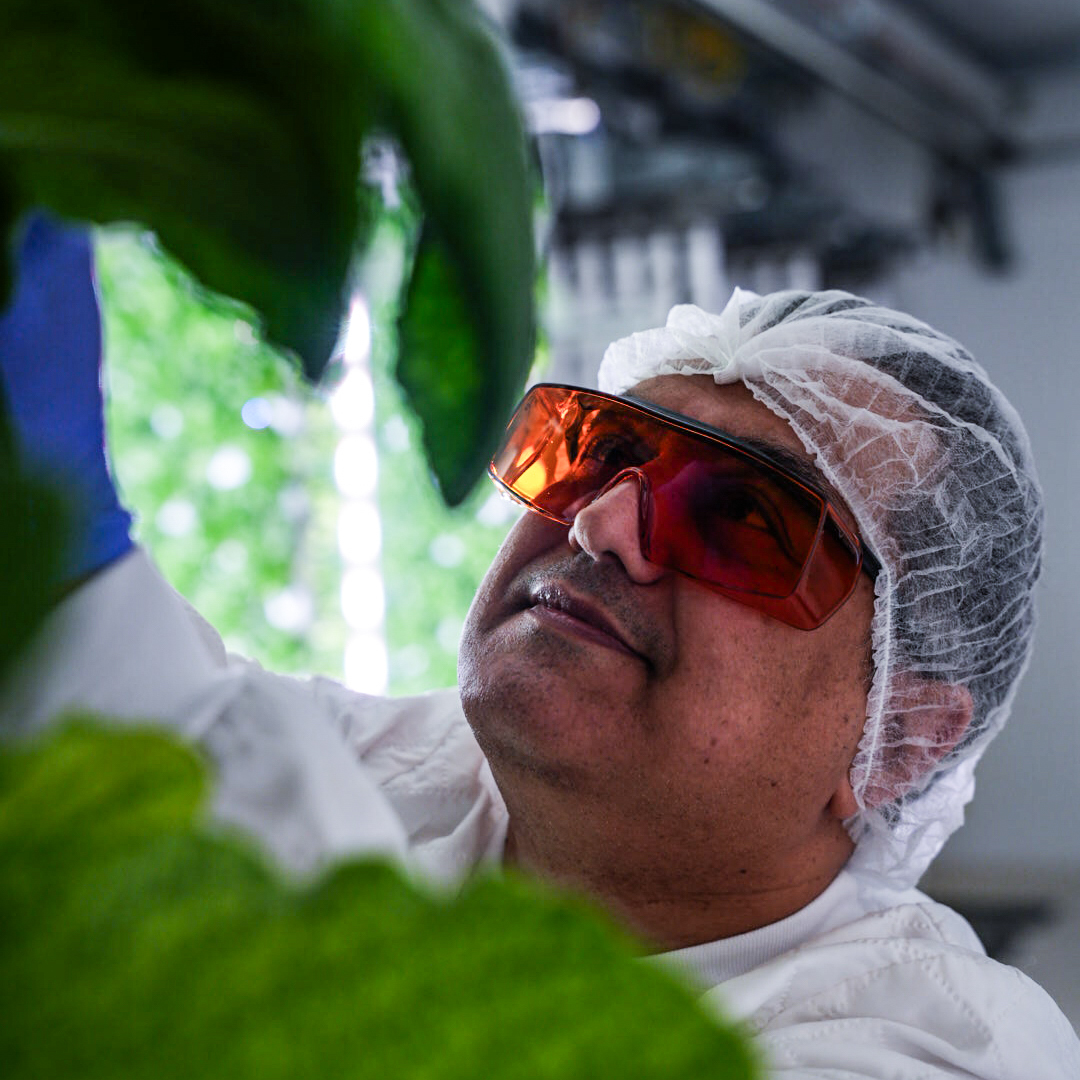
Reza F. is a PhD biotechnologist with more than 15 years of international research and industry experience in plant biotechnology, medicinal plant systems, and scalable cell culture technologies. His expertise spans plant tissue culture, secondary metabolite biosynthesis, elicitation strategies, GMP-aligned laboratory systems, and regulatory-aware biotech process development. At Supernormal Greens, his scientific background strengthens the technical depth, process awareness, and regulatory alignment behind plant-based ingredient content across Cosmetics, Nutraceuticals, and Pharma-adjacent research.
Scientific & Industry Background
Reza holds a PhD in Biotechnology from the University of Malaya, with research focused on elicitation strategies and secondary metabolite enhancement in plant cell cultures.
His academic and industry work includes:
- Secondary metabolite biosynthesis in medicinal plants
- Callus induction and in vitro regeneration systems
- Elicitor-driven enhancement of phenolics and flavonoids
- Analytical evaluation of antioxidant and bioactive profiles
- Biopharmaceutical process development
- GMP, GLP, and ISO-aligned laboratory management
He has contributed to peer-reviewed research, bioactivity studies, genetic diversity analyses, and biotechnology-focused book chapters — bridging fundamental plant biology with industrial scalability.
Reza Farzinebrahimih. PhD

Rethinking Artemisia annua in Cosmetic Formulation
Romanian researchers explored extraction methods for Artemisia annua hydroalcoholic extracts, testing antioxidant potential and emulsion stability to determine suitability for dermatocosmetic applications.
.jpg)
Artemisia annua Essential Oil for Skin: What Lab Research Shows
Artemisia annua essential oil showed anti-inflammatory activity in cell and animal studies. This review examines its composition, extraction, and potential as a topical botanical ingredient for cosmetic and dermatological formulation.
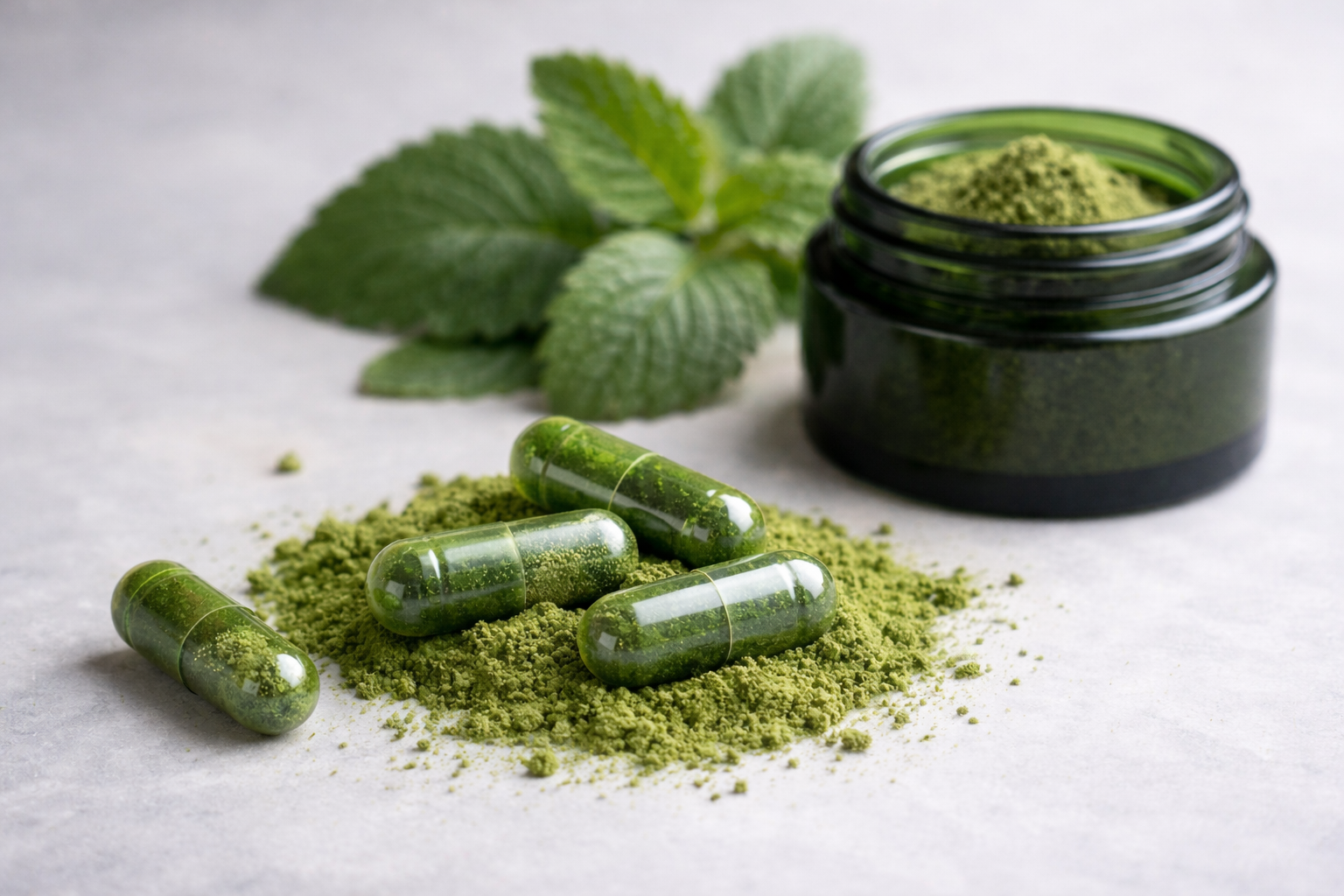
Melissa officinalis and Heart Research: What the Evidence Shows
A comprehensive review of Melissa officinalis cardiovascular research, from antioxidant activity and cardioprotective mechanisms to clinical implications for nutraceutical and botanical ingredient professionals.
.jpg)
Melissa officinalis for Skin: What Psoriasis Research Shows
Melissa officinalis ssp. altissima extracts showed anti-psoriatic activity in a mouse model, with triterpenes and polyphenols linked to reduced epidermal hyperplasia and improved skin barrier markers.