



Erik Lundgren
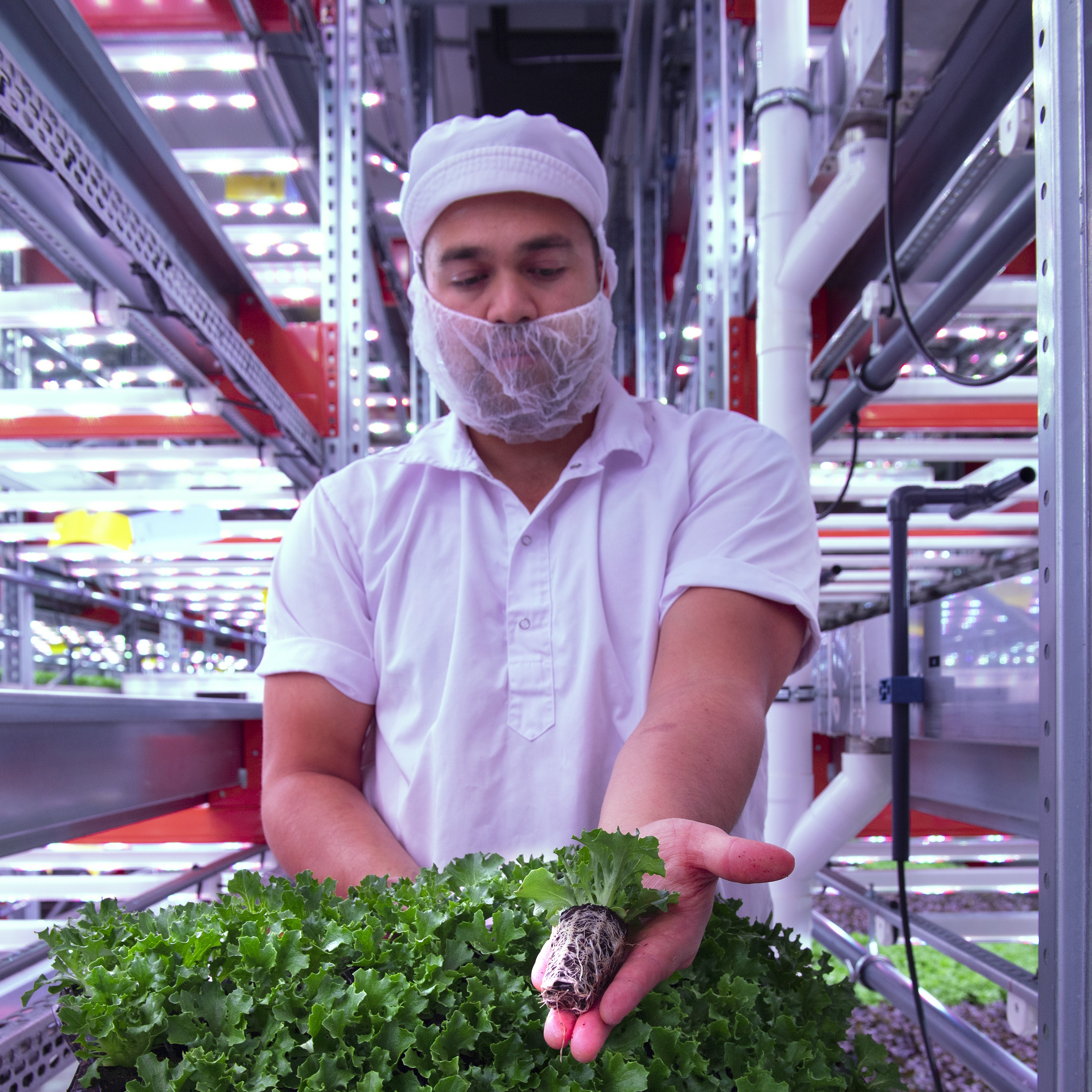
Erik Lundgren is Chief Research & Development Officer and co-founder of Supernormal Greens, where he leads research on how controlled environments can guide plant metabolism and increase the production of valuable phytochemicals. His work focuses on plant stress biology - understanding how light spectra, nutrients, temperature, and environmental signals activate plants’ natural defence systems. These responses produce the secondary metabolites that give plants their medicinal, nutritional, and functional value.
Erik's work focuses on plant stress biology — understanding how environmental signals such as light spectra, nutrients, temperature, and water availability activate plant defence systems. These responses drive the production of phenolics, flavonoids, terpenes, alkaloids and other secondary metabolites that form the foundation of many botanical ingredients.
At Supernormal Greens he has built a research platform designed to study and guide these responses with precision, enabling the development of botanical ingredients with greater consistency, potency, and scientific traceability.
Key areas of experience
• 15+ years working with innovation across plant science, agriculture, and food
• Expert in vertical farming and controlled environment cultivation
• Plant stress biology and elicitation strategies to increase production of valuable phytochemicals
• Speaker on international stages on topics including food systems, plant science, and climate
• Climate Reality Leader (Al Gore Climate Reality Project)
• Initiator and board member of Growth4Change
For Erik, plants represent the most advanced biological laboratories on Earth — systems that have spent millions of years evolving solutions to survive and adapt. His work at Supernormal Greens is dedicated to learning from those systems and translating them into the next generation of botanical ingredients.
Erik Lundgren
Can Plants Be Standardised?
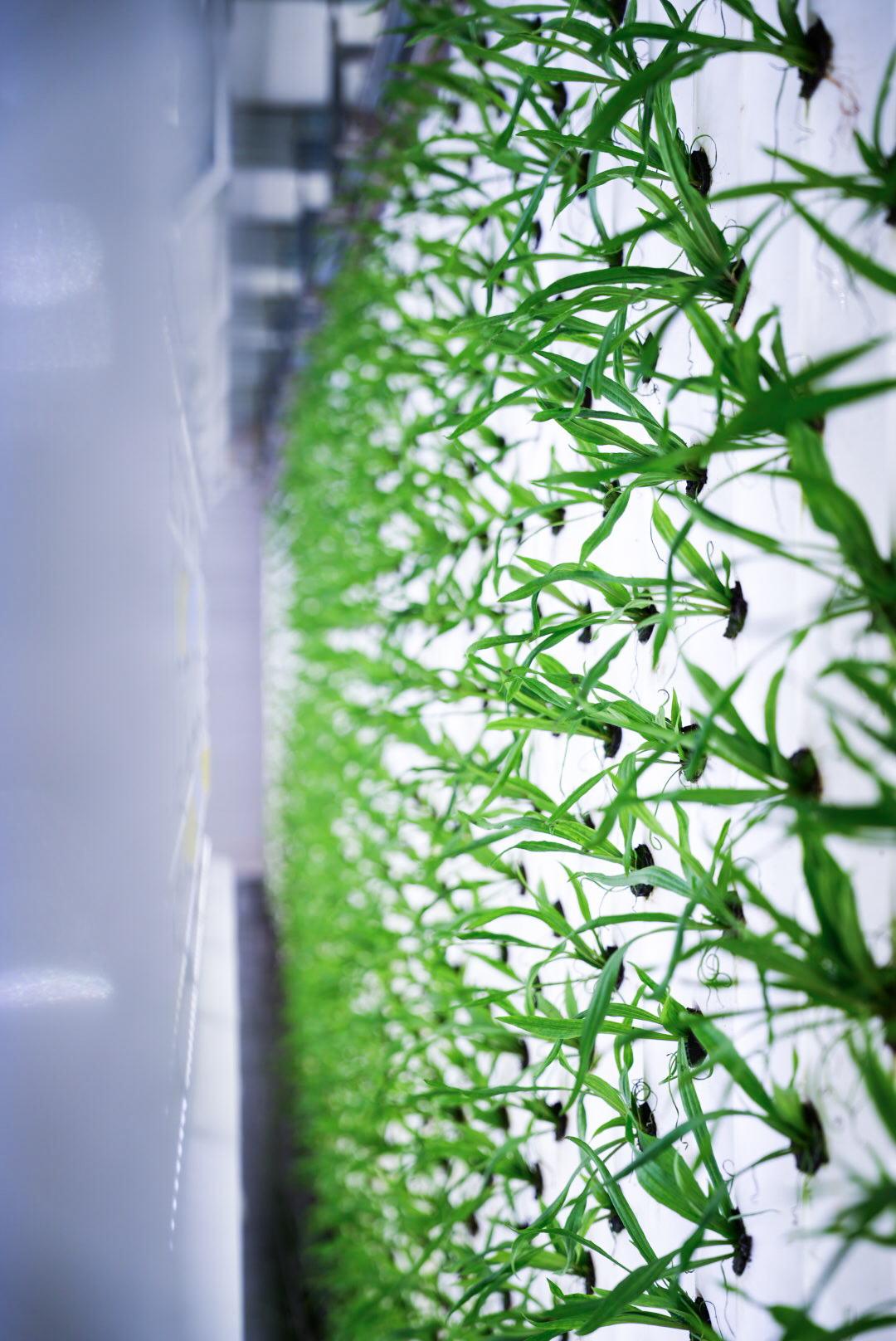
Why Controlled Environment Agriculture Is Changing Botanical Ingredients. Learn how Controlled Environment Agriculture (CEA) reduces variability in botanical ingredients and enables more consistent phytochemical profiles for cosmetics, nutraceuticals, and pharmaceutical applications.